Table of Contents
TogglePest problems don’t announce themselves with a polite knock. One day you’re living peacefully, the next you’re spotting droppings behind the fridge or hearing scratching in the attic at 2 AM. Georgetown’s warm climate and suburban sprawl make it prime real estate for everything from termites to rodents. Whether you’re dealing with an active infestation or want to keep pests out before they settle in, this guide walks through identification, DIY solutions, and when it’s time to bring in the pros.
Key Takeaways
- Georgetown’s warm, humid climate makes pest control essential for homeowners, with termites, rodents, and fire ants posing the greatest structural and health risks.
- Early detection through droppings, gnaw marks, sounds, and visible damage allows homeowners to address pest problems before professional intervention becomes necessary.
- DIY pest control methods including sealing entry points, eliminating moisture, deploying baits and traps, and using natural solutions like diatomaceous earth can effectively prevent minor infestations.
- Termites, bed bugs, severe rodent infestations, and stinging insects require professional pest control services with licensed technicians and commercial-grade treatments to ensure complete elimination.
- Quarterly exterior inspections, landscape management, proper indoor storage, and seasonal professional treatments provide ongoing pest control and prevent future infestations more cost-effectively than emergency pest removal.
- Pest control in Georgetown is preventative maintenance: consistent sealing, drying, and cleaning habits combined with professional oversight create the strongest defense against recurring pest problems.
Common Pests Plaguing Georgetown Homes
Georgetown sits in Central Texas, where heat and humidity create ideal conditions for a rotating cast of unwanted houseguests. Knowing what you’re up against helps you choose the right strategy.
Termites top the list for structural damage. Subterranean termites thrive in Georgetown’s clay soil and can chew through framing lumber, floor joists, and even drywall before you notice. Look for mud tubes along foundation walls, they’re about the width of a pencil and run vertically from soil to wood.
Fire ants are a Texas staple. Their mounds pop up in lawns, flowerbeds, and along driveways. Disturb one and you’ll get swarmed. Their venom causes painful welts, and some people have severe allergic reactions requiring immediate medical attention.
Rodents, primarily roof rats and house mice, find their way into attics and crawlspaces when temperatures drop. They gnaw through electrical wiring (a genuine fire hazard) and contaminate insulation with droppings. If you hear scampering overhead at night, don’t wait.
Cockroaches, especially the American and German varieties, love Georgetown’s humidity. They hide in kitchen cabinets, behind appliances, and in bathroom vanities. They’re not just gross, they trigger asthma and spread bacteria.
Mosquitoes breed in standing water, which accumulates quickly after thunderstorms in clogged gutters, birdbaths, and low spots in the yard. Beyond the itchy bites, they carry West Nile virus and other diseases.
Spiders, including black widows and brown recluses, nest in undisturbed areas like garages, sheds, and stacked firewood. Most are harmless, but venomous species require caution and proper identification.
Signs You Need Pest Control in Georgetown
Spotting the red flags early saves money and prevents bigger headaches. Here’s what to watch for.
Droppings are the clearest sign. Mouse droppings resemble dark grains of rice: rat droppings are larger and capsule-shaped. Cockroach droppings look like black pepper or coffee grounds in corners and along baseboards.
Gnaw marks on baseboards, electrical cords, or food packaging point to rodents. Fresh gnaw marks appear lighter in color: older marks darken over time.
Unusual sounds, scratching, scurrying, or rustling, especially at night, indicate rodents or larger pests in walls or attics. If you hear it, they’re already established.
Visible damage to wood structures, including hollow-sounding timber or small piles of sawdust-like frass near baseboards, suggests termites or carpenter ants. Tap studs with a screwdriver handle: if the wood sounds papery or the screwdriver sinks in easily, you’ve got damage.
Nests or hives in eaves, attics, or trees mean stinging insects have moved in. Wasps and hornets become aggressive when defending nests, especially in late summer.
Odors that are musty, oily, or ammonia-like often come from rodent urine or large cockroach populations. A strong, sweet smell can indicate a hidden rodent carcass.
Bite marks or welts on family members, especially clustered in lines or groups, may point to bed bugs or fleas. Inspect mattress seams and pet bedding closely.
DIY Pest Control Methods for Georgetown Homeowners
For minor problems or as preventative maintenance, homeowners can handle a lot themselves. Start with the basics.
Seal entry points. Walk your home’s perimeter and check for gaps around utility penetrations, foundation cracks, and damaged weatherstripping. Use expanding foam for gaps wider than 1/4 inch, copper mesh for areas rodents might chew, and caulk for smaller cracks. Pay special attention to where pipes enter the house and gaps under garage doors.
Eliminate moisture. Fix leaky faucets, repair dripping hose bibs, and ensure downspouts direct water at least 6 feet from the foundation. Consider a dehumidifier in damp crawlspaces, keeping relative humidity below 50% discourages cockroaches and silverfish.
Remove food sources. Store pantry goods in airtight containers (glass or heavy plastic, not cardboard). Clean up crumbs immediately, especially under appliances. Take trash out nightly and use bins with tight-fitting lids.
Deploy baits and traps. For rodents, snap traps baited with peanut butter work reliably when placed perpendicular to walls where droppings appear. For roaches, gel baits applied in thin lines behind appliances and under sinks attract and kill the colony over time. Bait stations work better than sprays because the pests carry poison back to nests.
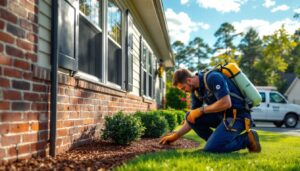
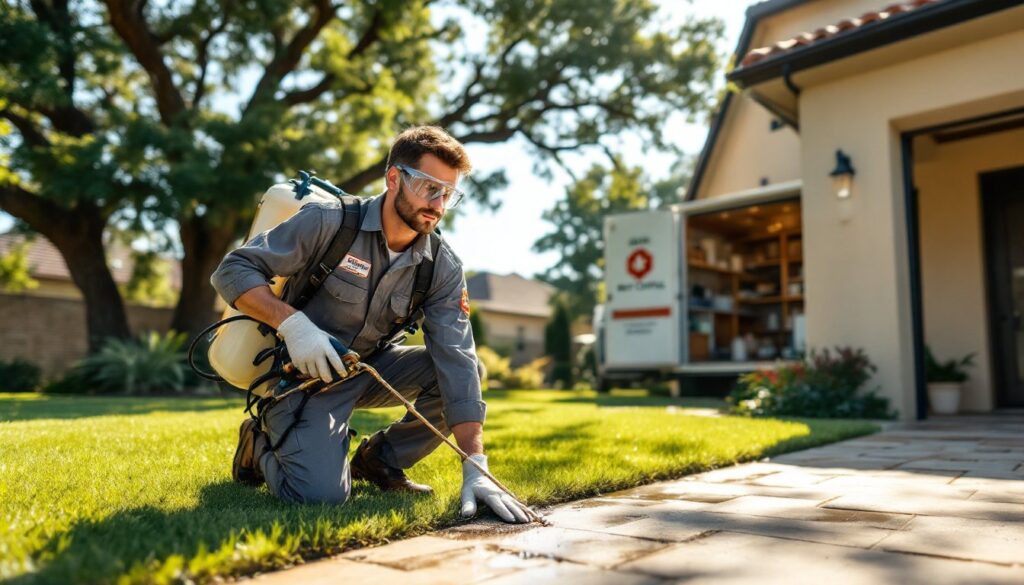
Apply perimeter treatments. Liquid insecticides or granular treatments spread along the foundation create a barrier against crawling insects. Follow label directions exactly, more isn’t better and can harm beneficial insects. Reapply after heavy rain. When dealing with persistent issues, some homeowners turn to certified pest control professionals for targeted treatments.
Safety first. Wear nitrile gloves and a respirator (not just a dust mask) when applying pesticides indoors. Ventilate the area and keep kids and pets out until surfaces dry completely, usually 2–4 hours.
Natural and Eco-Friendly Pest Control Solutions
If you’d rather skip synthetic chemicals, several natural options show real results.
Diatomaceous earth (DE) is fossilized algae ground into a fine powder. It’s abrasive to insect exoskeletons, causing dehydration and death. Sprinkle food-grade DE (not pool-grade) in thin layers along baseboards, behind appliances, and in attics. Wear a dust mask during application, it’s non-toxic but irritates lungs.
Essential oils like peppermint, eucalyptus, and tea tree repel some pests. Mix 10–15 drops per cup of water in a spray bottle and apply to entry points. Results vary, and you’ll need to reapply frequently. It’s better as a deterrent than a treatment for active infestations.
Beneficial insects like ladybugs and praying mantises control aphids and other garden pests naturally. Release them in the evening when they’re less likely to fly away immediately.
Sticky traps catch crawling insects without chemicals. Place them under sinks, in corners, and along baseboards to monitor activity and reduce populations. They won’t solve an infestation alone but show you where pests are traveling.
Heat treatment for bed bugs involves raising room temperature to 120–140°F for several hours. It requires specialized equipment: some homeowners rent portable heaters, but results depend on thorough coverage. Miss one spot and survivors repopulate quickly.
When to Call a Professional Pest Control Service
DIY has limits. Some situations demand licensed technicians with commercial-grade tools and training.
Termites require professional intervention, period. Over-the-counter treatments don’t reach colonies or provide lasting protection. Pros use liquid termiticides trenched around foundations or bait station systems that eliminate entire colonies. Treatment often includes a warranty, critical if you’re selling the house. Many regional services offering comprehensive pest solutions specialize in termite remediation.
Bed bugs spread fast and hide in places you can’t reach with consumer products. Pros use heat chambers, residual insecticides, and insect growth regulators in combination. A single treatment rarely works: plan on at least two visits spaced 10–14 days apart.
Severe rodent infestations need exclusion work beyond what most homeowners can do safely. Technicians seal entry points from the outside, set professional traps in attics and crawlspaces, and clean up contaminated insulation. Rodent urine carries hantavirus, handling it yourself is risky.
Stinging insects nesting in walls, attics, or underground create serious safety hazards. Professionals wear protective gear and use dust insecticides or foam treatments that reach deep into nests. If you’re allergic to stings, don’t attempt removal yourself.
Repeated infestations even though your best efforts signal a bigger problem, hidden entry points, conducive conditions, or a nearby source colony. Pros conduct thorough inspections, identifying issues you’ve missed. Platforms like HomeAdvisor and similar contractor directories help homeowners compare local pest control companies and read verified reviews.
Permitting and licenses: In Texas, pest control businesses must be licensed by the Texas Department of Agriculture. Technicians should carry individual licenses and provide documentation on request. Structural pest control work, especially termite treatment, may require separate permits, verify before work begins.
Preventing Future Pest Infestations
The best pest control is the kind you never need. Most infestations are preventable with consistent habits and seasonal maintenance.
Quarterly exterior inspections catch problems early. Walk the foundation looking for cracks, inspect vents for damaged screens, and check attic vents for gaps. Spring and fall are critical, pests seek shelter during temperature swings.
Landscape management matters more than you’d think. Trim tree branches back at least 6 feet from the roofline, they’re highways for roof rats and squirrels. Keep mulch 12–18 inches away from the foundation: thick mulch against siding holds moisture and shelters termites. Remove leaf litter and stacked wood from around the house.
Proper storage inside reduces harborage. Don’t stack cardboard boxes directly on concrete floors in garages or basements, roaches lay eggs in the corrugations. Use plastic storage bins with tight lids instead. Keep stored items at least 6 inches off the floor and away from walls.
Regular cleaning disrupts pest breeding cycles. Vacuum weekly, pulling out appliances quarterly to clean behind them. Wipe down counters nightly and don’t leave pet food out overnight. Empty vacuum canisters or bags immediately into an outdoor bin.
Monitor humidity in crawlspaces and basements with an inexpensive hygrometer. Install vapor barriers over exposed soil in crawlspaces, 6-mil polyethylene sheeting works. If humidity stays above 60%, consider a crawlspace dehumidifier or improved ventilation. Comparing approaches from companies with strong customer feedback and service records helps identify what works long-term.
Seasonal treatments applied by professionals create ongoing protection. Many Georgetown companies offer quarterly service plans, they treat the perimeter, check bait stations, and inspect for new activity. It’s cheaper than emergency calls and catches problems before they escalate. When searching for services, reviewing local pest control specialists provides options with verified credentials and customer ratings.
Coordinate with neighbors. Pest pressure often comes from adjacent properties with overgrown yards, abandoned structures, or neglected maintenance. A neighborhood-wide approach reduces everyone’s pest load. For businesses facing pest issues, targeted marketing strategies help connect customers with reliable local services.
Conclusion
Pest control in Georgetown isn’t a one-time project, it’s ongoing maintenance like changing air filters or cleaning gutters. Catch problems early, stay consistent with prevention, and know when to call for backup. Whether you’re sealing a few cracks or scheduling a termite inspection, taking action now beats dealing with structural damage or health hazards later. Keep your home sealed, dry, and clean, and you’ll stay ahead of most pest problems before they start.