Table of Contents
TogglePest infestations don’t wait for convenient timing. Whether it’s termites munching through structural beams, rodents nesting in your attic insulation, or roaches making themselves at home in kitchen cabinets, pest problems require decisive action. Braman Pest Control has built a reputation across Massachusetts and surrounding areas by tackling both common nuisances and serious structural threats with a methodical, science-backed approach. For homeowners weighing their options between DIY solutions and professional intervention, understanding what a full-service pest control operation offers, and when to call one, makes the difference between a temporary fix and lasting protection.
Key Takeaways
- Braman Pest Control uses integrated pest management (IPM) to combine inspection, exclusion, habitat modification, and targeted treatments rather than relying solely on chemical solutions.
- Termites, rodents, and carpenter ants pose serious structural threats—termites alone cause $5 billion in annual U.S. property damage—making professional assessment critical for lasting protection.
- Sealing foundation cracks, installing door sweeps, fixing moisture problems, and maintaining yard clearance eliminate entry points and reduce pest pressure without chemicals.
- Call professional pest control services for termite activity, structural damage, large infestations, stinging insects in inaccessible areas, bed bugs, or recurring problems despite consistent DIY efforts.
- Homeowners can handle minor, isolated pest issues with prevention measures and over-the-counter solutions, but licensed providers offer multi-year warranties and expertise that DIY approaches cannot match.
What Is Braman Pest Control and Why It Matters for Homeowners
Braman Termite & Pest Elimination operates as a family-owned business serving western Massachusetts, with decades of experience addressing residential and commercial pest issues. Unlike franchise operations that rotate technicians frequently, established local providers typically maintain consistent service crews familiar with regional pest behavior patterns and seasonal cycles.
Pest control matters beyond the “ick” factor. Termites cause an estimated $5 billion in property damage annually in the U.S., damage rarely covered by homeowners insurance. Rodents chew through electrical wiring (a leading cause of house fires), contaminate insulation with droppings, and introduce parasites. Carpenter ants excavate galleries through structural lumber, weakening load-bearing members over years of undetected activity.
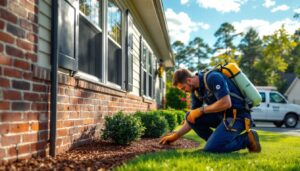
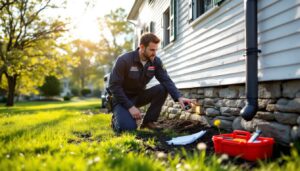
Professional pest management companies conduct thorough inspections before treatment, checking crawl spaces, attic framing, sill plates, and exterior perimeters for evidence of active infestations or conditions conducive to pest establishment. They identify species accurately (critical because treatment methods vary widely) and target interventions to life cycles and entry patterns. A skilled technician spots the difference between cosmetic damage and structural compromise, advising homeowners when repairs require contractor involvement.
Common Pest Problems Braman Services Address
Termites top the list for structural concern. Subterranean termites in New England build mud tubes up foundation walls to access wooden framing. Eastern subterranean termites swarm in spring, often the first visible sign of colonies that have been feeding for years. Treatment typically involves liquid termiticides applied to soil around foundation perimeters or bait station systems monitored quarterly.
Carpenter ants excavate smooth galleries in damp or damaged wood, not for food, but to nest. They prefer soft or rotted lumber near moisture sources: rim joists at sill plates, porch columns with ground contact, roof sheathing under ice dam leaks. Elimination requires locating parent colonies, often inside wall voids or under exterior steps, then applying targeted insecticide dust or non-repellent liquid treatments.
Rodents, mice and rats, seek shelter indoors as temperatures drop. Mice squeeze through gaps as small as 1/4 inch, typically where utilities penetrate foundation walls or where siding meets foundation. They nest in wall insulation, attic spaces, and inside cabinets. Rats gnaw entry points larger if necessary and establish runways along foundation perimeters. Control combines trapping, exclusion (sealing entry points), and population monitoring.
Cockroaches thrive in kitchens, bathrooms, and basements where moisture and food residue accumulate. German roaches reproduce rapidly: a single female produces up to 400 offspring in her lifetime. Treatment involves insecticidal baits and insect growth regulators applied in cracks, crevices, and harborage areas. For homeowners considering cost estimates on larger pest projects, understanding the scope of infestation helps determine whether to pursue professional intervention or DIY methods.
Stinging insects, wasps, hornets, yellow jackets, build nests in eaves, wall voids, and underground. Removal requires protective equipment and proper insecticide application: disturbing nests without adequate preparation risks multiple stings. Paper wasp nests under deck joists can be treated with aerosol sprays by homeowners wearing protective clothing, but larger hornet or yellow jacket colonies warrant professional removal.
Braman’s Integrated Pest Management Approach
Integrated Pest Management (IPM) prioritizes long-term prevention through habitat modification, exclusion, and targeted chemical use only when necessary. This approach reduces pesticide reliance while maintaining effective control, critical for households with children, pets, or residents with chemical sensitivities.
IPM begins with inspection and identification. Technicians document pest species, population levels, entry points, conducive conditions (moisture problems, food sources, harborage areas), and evidence of damage. Accurate identification matters: treating powder post beetles like termites wastes money and fails to address the actual problem.
Next comes exclusion and habitat modification. Sealing foundation cracks with hydraulic cement or polyurethane foam, installing door sweeps, repairing torn window screens, trimming vegetation away from siding, correcting grade slopes that direct water toward foundations, fixing plumbing leaks, and improving attic ventilation all reduce pest pressure without chemicals. Many homeowners overlook these steps, pursuing spray treatments while leaving entry points wide open.
Monitoring establishes whether interventions work. Glue boards in rodent-prone areas, pheromone traps for stored product pests, and visual inspections during quarterly service visits track population trends. When monitoring shows persistent activity, targeted treatments follow.
Chemical treatments, when required, use products registered by the EPA and applied according to label instructions, which have the force of law. Technicians select formulations based on target pest, application site (interior vs. exterior, food-handling areas vs. structural voids), and resident concerns. Non-repellent insecticides like fipronil or imidacloprid allow insects to contact treated surfaces and return to colonies, spreading control through the population. Repellent pyrethroids create barriers but can cause insects to avoid treated areas, pushing them into untreated zones.
For additional context on regional pest control approaches, strategies often vary based on climate and local pest populations. Braman’s technicians complete state-required training and certification, understanding Massachusetts regulations governing pesticide application, record-keeping, and notification requirements for sensitive sites.
DIY Pest Prevention Tips to Complement Professional Services
Professional pest control works best when homeowners maintain preventive measures between service visits. Most infestations stem from easily corrected conditions that invite pest entry and establishment.
Sealing Entry Points and Eliminating Attractants
Foundation and exterior perimeter inspection should happen twice yearly. Walk the entire foundation looking for cracks wider than 1/16 inch, gaps around utility penetrations (water, gas, electric, cable), and deteriorated mortar joints. Fill cracks with hydraulic cement or polyurethane foam sealant rated for exterior use. Install copper mesh or stainless steel wool in larger gaps before sealing, mice and rats chew through spray foam alone.
Door sweeps on all exterior doors eliminate the gap between door bottom and threshold. Use aluminum or heavy-duty rubber sweeps: cheap vinyl sweeps degrade quickly. Garage doors require bottom seals that conform to uneven concrete: replace these when daylight shows beneath closed doors.
Window screens need 16-mesh or finer to exclude common insects. Repair tears with screen patch kits or replace damaged screens entirely. Check that screens sit flush in frames without gaps at corners.
Moisture control ranks as the single most important pest prevention measure. Fix leaking faucets, pipes, and toilet seals immediately. Ensure clothes dryer vents exit outdoors through properly fitted vent caps (not into crawl spaces or attics). Install gutters and downspouts directing water at least 6 feet from foundations. Verify crawl space vapor barriers remain intact, 6-mil polyethylene sheeting should cover 100% of crawl space floors, with seams overlapped and edges sealed to foundation walls.
Food storage in airtight containers frustrates pantry pests. Transfer cereals, grains, flour, pasta, and pet food into containers with gasketed lids, not the original packaging, which rodents and insects penetrate easily. Clean pantry shelves monthly to remove spilled food particles. For perspectives on what certified professionals prioritize, proper sanitation ranks alongside chemical treatments in comprehensive programs.
Trash management means keeping outdoor receptacles at least 20 feet from the house, with tight-fitting lids. Rinse food containers before disposal. Clean receptacles quarterly with detergent and water to remove residue that attracts flies, wasps, and rodents.
Firewood storage belongs at least 30 feet from structures, stacked on racks that elevate wood 6 inches off the ground. Never store firewood in basements, crawl spaces, or attached garages, it invites carpenter ants, termites, and wood-boring beetles directly into structures. Bring only enough wood indoors for immediate use.
Vegetation management keeps branches and shrubs trimmed 3 feet from siding and rooflines. Overhanging branches provide highways for ants, carpenter ants, and rodents to access roofs and upper-level entry points. Mulch beds should maintain 6-inch clearance from siding and remain less than 3 inches deep, thick mulch against foundations creates moisture traps and insect harborage.
When to Call a Professional vs. Handle It Yourself
DIY approaches work for minor, isolated problems caught early. A few ants trailing into a kitchen, a single wasp nest the size of a golf ball under an eave, or occasional spiders in the basement respond well to homeowner intervention. Over-the-counter sprays, baits, and traps handle these situations when combined with the prevention measures described above.
Call professionals for:
-
Termite activity of any kind. Subterranean termite treatment requires specialized equipment (soil rods, trenching tools, high-volume tanks) and products not available to homeowners. Most termite treatments carry multi-year warranties covering retreatment and repair, but only if performed by licensed applicators. Customer feedback on services like Braman’s approach can guide expectations for warranty terms and service responsiveness.
-
Structural pest damage involving load-bearing members. Carpenter ant or termite damage to sill plates, floor joists, or roof framing requires professional assessment. Don’t assume cosmetic repairs suffice without determining whether the lumber retains structural integrity.
-
Large rodent infestations where traps catch multiple animals nightly for more than a week. Established rodent colonies produce offspring continuously: homeowner trapping rarely keeps pace with reproduction. Professionals use combination approaches: snap traps, multi-catch traps, exclusion work, and population monitoring to confirm elimination.
-
Stinging insect nests inside wall voids, underground, or in inaccessible locations. These require protective equipment (bee suits), proper insecticide formulations (dusts for wall voids, aerosols for aerial nests), and knowledge of insect behavior patterns to time treatment effectively.
-
Bed bugs. These require heat treatment or targeted insecticide application to all harborage areas, mattresses, box springs, bed frames, baseboards, electrical outlets, furniture crevices, and carpet edges. Homeowner treatments nearly always fail due to incomplete coverage or pesticide resistance.
-
Recurring problems even though consistent DIY efforts. If you’ve sealed entry points, eliminated food sources, maintained traps, and still see ongoing activity, the source likely exists in areas you can’t access or inspect, wall voids, beneath slabs, in crawl spaces, or outside the structure where colonies originate.
For homeowners researching project budgets and contractor options, obtaining multiple estimates for significant pest control work makes sense, but understand that the cheapest bid often indicates less thorough treatment or shorter warranty coverage. Look for providers offering written inspection reports, detailed treatment plans, and service guarantees.
Conclusion
Effective pest management combines professional expertise with consistent homeowner maintenance. Services like those offered by regional specialists demonstrate how integrated approaches address both immediate problems and underlying conditions. Understanding when DIY measures suffice versus when to call licensed professionals protects your home’s structural integrity and prevents minor nuisances from escalating into costly damage.