Table of Contents
ToggleLiving in Peachtree City and the surrounding Georgia area means enjoying beautiful weather, lush landscaping, and year-round outdoor living. It also means dealing with pests that thrive in warm, humid conditions. From termites chewing through floor joists to fire ants colonizing backyard play areas, pest pressure in this region isn’t seasonal, it’s constant. Whether you’re a homeowner tackling preventive measures yourself or evaluating when to bring in professional help, understanding the local pest landscape is the first step toward protecting your investment and maintaining a healthy home.
Key Takeaways
- Peachtree pest control is essential year-round due to Georgia’s warm, humid climate that allows termites, fire ants, and rodents to thrive without seasonal die-offs.
- Subterranean termites cause an estimated $5 billion in annual property damage across the U.S., making preventive pest control and early detection critical since homeowners insurance typically doesn’t cover termite damage.
- DIY prevention strategies—sealing entry points, managing moisture, trimming vegetation, and using granular baits—can significantly reduce pest pressure before professional intervention is needed.
- Professional pest control is immediately necessary for active termite infestations, large rodent populations, stinging insects near entry points, and bed bugs that DIY treatments cannot effectively eliminate.
- When choosing a pest control company in Peachtree, verify Georgia Department of Agriculture licensing, compare written quotes from at least three providers, and prioritize companies using integrated pest management (IPM) approaches over quick-fix solutions.
Why Pest Control Matters in Peachtree City and Surrounding Areas
Georgia’s climate is a pest paradise. Peachtree City sits in USDA Hardiness Zone 8a, where mild winters and hot, humid summers create ideal conditions for insect reproduction and rodent activity. Average temperatures rarely dip below freezing for extended periods, meaning pests don’t die off seasonally like they do in northern climates.
Structural damage is the most expensive consequence. Subterranean termites, the dominant species in Georgia, cause an estimated $5 billion in property damage annually across the U.S., and the Southeast accounts for a disproportionate share. These insects feed on cellulose in wood framing, floor sheathing, and even paper-faced drywall. Because they work inside walls and beneath floors, damage often goes unnoticed until it’s extensive. Homeowners insurance typically doesn’t cover termite damage, making prevention and early detection critical.
Health risks are equally significant. Rodents carry hantavirus, salmonella, and leptospirosis. Cockroaches trigger asthma and allergies, particularly in children. Fire ants, ubiquitous in Georgia lawns, deliver painful stings that can cause severe allergic reactions in sensitive individuals. Ticks in wooded areas around Peachtree transmit Lyme disease and Rocky Mountain spotted fever.
Property values decline when pest issues become visible or documented. A termite inspection report showing active infestation or prior damage can tank a real estate transaction or force costly negotiations. Regular pest control, whether DIY or professional, is part of responsible homeownership in this region, much like changing HVAC filters or cleaning gutters.
Common Pests Threatening Peachtree Homes
Termites and Wood-Destroying Insects
Subterranean termites are the primary structural threat. These insects live in underground colonies that can number in the millions and build mud tubes up foundation walls to access wood framing above. They prefer moist environments, so homes with crawl spaces, plumbing leaks, or poor drainage are especially vulnerable. Swarming typically occurs in spring, if you see winged termites indoors or discarded wings near windowsills, you’ve got an active colony nearby.
Formosan termites, an aggressive invasive species, are spreading north from coastal Georgia. They’re harder to control than native subterranean termites and cause damage faster. Both species require professional treatment, DIY products rarely reach the colony or provide lasting control.
Carpenter ants are often mistaken for termites, but they excavate galleries in wood rather than eating it. Look for piles of sawdust (frass) near baseboards or window frames. They prefer softwood and water-damaged lumber. Large black ants indoors, especially near kitchens or bathrooms, usually indicate a nesting site inside wall cavities or under floors.
Powderpost beetles attack hardwood flooring, furniture, and decorative trim. Exit holes look like tiny pinpricks (1/32″ to 1/16″ diameter), and fine, powdery frass accumulates below. Infestations often go unnoticed until refinishing a floor or moving furniture reveals damage. Many certified pest control companies specialize in wood-destroying insect inspections that can identify these threats early.
Rodents, Ants, and Seasonal Invaders
Rats and mice seek shelter indoors as temperatures drop in late fall. Norway rats burrow under foundations and slabs. Roof rats (also called black rats) climb into attics via overhanging tree branches or utility lines. Both species chew through electrical wiring, a leading cause of house fires, and contaminate insulation with urine and droppings. Snap traps and sealed entry points (any gap larger than 1/4 inch) are the first line of defense.
Fire ants dominate Georgia lawns and landscaping. Colonies build mounds in sunny, open areas and aggressively defend them. Mound treatments using baits or drenches provide temporary relief, but reinfestations are common. Perimeter treatments reduce activity near foundations and play areas. Wear gloves and closed-toe shoes when working near suspected colonies, fire ant stings hurt.
Argentine ants form massive supercolonies and invade homes in search of moisture and sweets. They don’t bite, but their sheer numbers are overwhelming. Trailing indoors from cracks in slab foundations or gaps around door sweeps is typical behavior. Baiting works better than sprays because foragers carry toxicant back to the colony.
Mosquitoes breed in standing water, clogged gutters, bird baths, wheelbarrows, or low spots in yards. Besides being a nuisance, they transmit West Nile virus and Eastern equine encephalitis. Eliminate standing water weekly and consider perimeter fogging treatments before outdoor events.
Spiders, centipedes, and millipedes invade during heavy rains when soil becomes saturated. They’re generally harmless but unsettling. Sealing gaps around basement windows, doors, and utility penetrations reduces entry points. Homeowners researching professional options often compare companies like Rove Pest Control to understand service quality and treatment approaches.
DIY Pest Prevention Strategies for Peachtree Homeowners
Most pest problems start outside and move in. Preventive maintenance costs less than remediation and keeps chemical use to a minimum.
Exterior perimeter defense:
- Seal entry points. Walk the foundation and exterior walls. Caulk cracks wider than 1/8 inch in brick mortar, siding, or foundation. Install door sweeps on all exterior doors (rubber or brush-style, with less than 1/4 inch clearance to the threshold). Screen crawl space vents with 1/4-inch hardware cloth. Replace torn window screens.
- Manage moisture. Grade soil away from the foundation (1 inch of slope per foot for the first 6 feet). Clean gutters twice yearly and extend downspouts at least 6 feet from the house. Repair plumbing leaks promptly. Ventilate crawl spaces, consider a vapor barrier (6-mil polyethylene sheeting) over bare soil if humidity is high.
- Trim vegetation. Keep shrubs and tree branches at least 12 inches away from siding and rooflines. Mulch beds should sit 2 inches below siding to prevent termite bridging. Replace wood mulch with gravel or rubber mulch in high-risk areas near the foundation.
- Eliminate harborage. Remove firewood, lumber scraps, and debris from around the foundation. Store firewood on racks at least 20 feet from the house and 6 inches off the ground. Clear leaf litter and yard waste regularly.
Interior sanitation and exclusions:
- Store food properly. Transfer pantry staples (flour, cereal, pet food) into airtight containers, Rubbermaid Brilliance or similar work well. Wipe down counters nightly and sweep floors to remove crumbs. Don’t leave pet food out overnight.
- Reduce clutter. Cardboard boxes and stacked paper attract roaches and silverfish. Use plastic storage bins in basements, attics, and garages. Clear clutter from under sinks where plumbing leaks go unnoticed.
- Inspect and monitor. Place sticky traps (unscented glue boards) in corners of basements, garages, and under sinks. Check them weekly. Traps help identify pest activity before it becomes an infestation. Platforms like HomeAdvisor offer project cost estimators if you’re planning larger exclusion work like foundation repairs or crawl space encapsulation.
DIY chemical treatments:
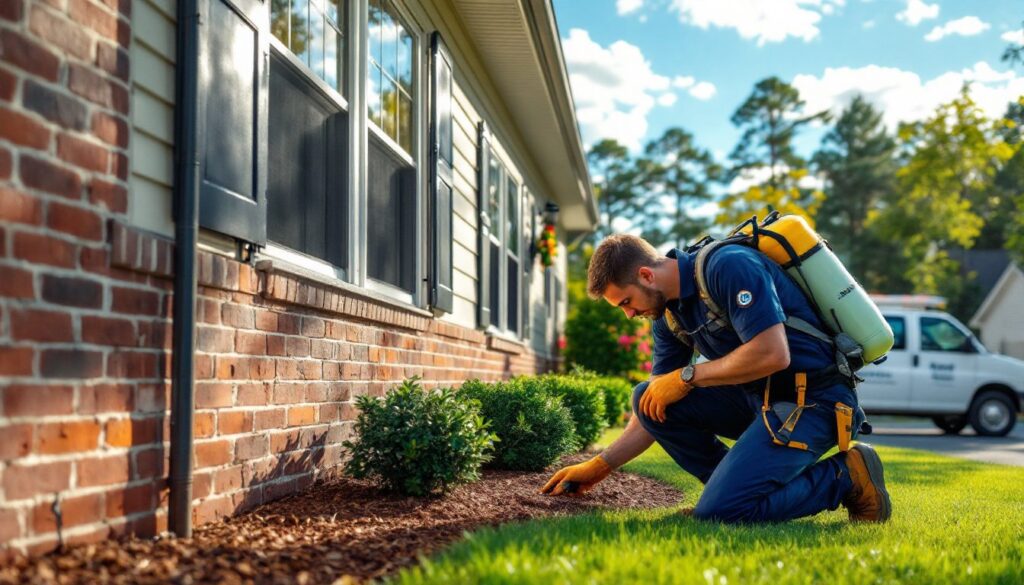
- Perimeter sprays. Liquid insecticides containing bifenthrin or permethrin (e.g., Talstar P, Bifen IT) create a barrier around the foundation. Apply with a pump sprayer, treating a 3-foot band up the foundation and 3 feet out onto the ground. Reapply every 90 days. Wear gloves, long sleeves, and goggles. Keep kids and pets off treated areas until dry (typically 2–4 hours).
- Granular baits. Ant baits (e.g., Advion, Terro) work for Argentine ants and fire ants. Place bait stations along trails and near entry points. For fire ant mounds, use baits in early morning or late evening when workers are active. Combining methods often works better than relying on a single approach, as discussed in resources about pest control marketing strategies.
- Rodent control. Snap traps baited with peanut butter, placed perpendicular to walls, catch mice effectively. For rats, use larger traps (Victor Rat Trap) and bait with bacon or dried fruit. Check traps daily. Glue boards work for monitoring but are inhumane for killing, avoid them if possible.
Safety note: Always read and follow pesticide labels. Store chemicals in original containers, out of reach of children and pets. Never mix products unless the label specifically allows it.
When to Call a Professional Pest Control Service
Some pest issues exceed DIY capabilities. Knowing when to call a pro saves time, money, and potential structural damage.
Immediate professional help required:
- Active termite infestation. If you see mud tubes, swarming termites, or hollow-sounding wood, call immediately. Professional treatment options include liquid termiticides (trenching and treating soil around the foundation) or bait systems (Sentricon, Trelona). Both require specialized equipment and licensing. Termite bonds (annual inspection and retreatment agreements) are standard in Georgia and often required by mortgage lenders.
- Large rodent infestations. If traps aren’t making a dent after two weeks, or if you’re catching multiple rodents daily, you’ve got a breeding population inside the structure. Pros use tracking powders, excluded entry points you can’t access, and commercial-grade traps. They’ll also identify and seal entry routes.
- Stinging insects near entries. Yellow jackets, bald-faced hornets, and paper wasps near doors, eaves, or play areas pose a safety risk. Nests can contain thousands of individuals by late summer. Professionals use protective gear and specialized insecticides. Don’t attempt removal yourself if you’re allergic or if the nest is in a hard-to-reach location (inside walls, high eaves, underground).
- Bed bugs. These are nearly impossible to eliminate without professional heat treatment or chemical applications. DIY sprays drive them deeper into cracks and spread the infestation. Pros use integrated pest management (IPM): inspection, heat, steam, and targeted insecticides.
- Wildlife (bats, raccoons, squirrels). Removal and exclusion often require permits and specialized knowledge. Bats, in particular, are protected in Georgia during maternity season (May–July). Humane exclusion must follow state guidelines.
When to consider professional service even if DIY is possible:
- Recurring infestations. If ants, roaches, or mice keep coming back even though your efforts, there’s an underlying issue (hidden entry point, moisture problem, nearby colony). Pros use moisture meters, thermal imaging, and borescopes to diagnose problems homeowners can’t see.
- Pre-purchase or pre-sale inspections. Georgia law doesn’t require termite inspections for real estate transactions, but lenders and buyers routinely request them. A Wood Infestation Inspection Report (NPMA-33 form) documents conditions and damage. Licensed inspectors know what to look for and what requires disclosure. Some homeowners cross-reference options on sites like ImproveNet to compare contractor credentials and quotes.
- Health concerns. If anyone in the household has asthma, allergies, or immune system issues, professional treatment reduces exposure to pests and allows for lower-impact control methods (baiting, exclusion, spot treatments instead of broadcast sprays).
- Time and access constraints. Treating a crawl space or attic requires protective gear, proper lighting, and the ability to navigate tight spaces. If that’s not feasible, pros have the tools and experience to work safely in those environments.
Licensing and credentials to verify: In Georgia, pest control operators must hold a Georgia Department of Agriculture Structural Pest Control License. Ask for the company’s license number and verify it’s current. Technicians should carry individual certification cards. For termite work, ensure the company offers a renewable termite bond with clear terms for retreatment and damage repair.
Choosing the Right Pest Control Company in Peachtree
Not all pest control companies offer the same services, pricing structures, or reliability. Here’s how to evaluate options in the Peachtree area.
Service scope and specialization:
- General pest control covers ants, roaches, spiders, and occasional invaders. Quarterly service (every 90 days) is standard. Expect exterior perimeter treatments with interior spot treatments as needed.
- Termite-specific services include initial treatments (liquid or baiting) and annual inspections. Bonds typically cost $75–$150 per year after the initial treatment ($500–$1,500 depending on home size and treatment method).
- Wildlife removal, mosquito control, and lawn pest services are often add-ons. Clarify what’s included in base pricing versus upsells.
Pricing and contracts:
- Initial service typically costs more than recurring visits, expect $150–$300 for a first-time general pest treatment on a standard single-family home. Quarterly services run $75–$125 per visit.
- Annual contracts often lock in lower per-visit pricing but include cancellation fees. Month-to-month plans cost slightly more per service but offer flexibility.
- Termite treatments vary widely. Liquid treatments are often cheaper upfront ($500–$1,000) but require retreatment if protection lapses. Bait systems cost more initially ($1,200–$2,500) but include ongoing monitoring. Both require annual renewals.
- Get written quotes from at least three companies. Compare what’s included (number of visits, covered pests, callbacks between scheduled services).
Reputation and reliability:
- Check online reviews on Google, Angie’s List, and the Better Business Bureau. Look for patterns in complaints (missed appointments, high-pressure sales, ineffective treatments). Individual bad reviews happen, but repeated issues indicate systemic problems. For example, checking detailed feedback on sites like Angie’s List for Peachtree Pest Control Inc. can provide localized insights into service quality.
- Ask neighbors for recommendations. Local companies often have established reputations, good or bad, that show up quickly in community discussions.
- Verify licensing with the Georgia Department of Agriculture. Unlicensed operators can’t legally apply restricted-use pesticides and won’t carry the required liability insurance.
Questions to ask before signing:
- What specific pests are covered under the plan?
- How quickly do you respond to callback requests between scheduled visits?
- Do you offer free re-services if pests return within a certain window?
- What products do you use, and are lower-toxicity options available (especially important if you have kids, pets, or beehives)?
- Is there a written guarantee, and what does it cover?
- What are your cancellation terms?
Red flags to avoid:
- High-pressure sales tactics or “sign today” discounts that disappear if you don’t commit immediately.
- Refusal to provide proof of licensing or insurance.
- Quotes significantly lower than competitors, it often means shortcuts (unlicensed techs, diluted chemicals, rushed applications).
- Vague contracts without clear service schedules or covered pest lists.
Reputable companies will walk your property, identify conducive conditions (like moisture issues or vegetation too close to the house), and give you a clear scope of work. They’ll also explain integrated pest management (IPM) approaches that combine chemical treatments with habitat modification and exclusion. Options such as Cascade Pest Control emphasize comprehensive treatment plans that address root causes, not just symptoms.
Peachtree homeowners have access to both national chains and local independent operators. Local companies often provide more personalized service and flexibility, while national brands may offer broader service guarantees if you relocate. Either can work well, reputation and responsiveness matter more than brand recognition.