Table of Contents
ToggleDealing with pests isn’t just annoying, it’s a genuine threat to your home’s structure, your family’s health, and your peace of mind. Whether it’s termites chewing through framing lumber, rodents nesting in insulation, or ants marching across your kitchen counter, pest problems demand more than a can of spray from the hardware store. Insight Pest Control has built a reputation as a professional pest management company offering comprehensive solutions for both residential and commercial properties. This guide breaks down what they offer, how their services compare to DIY methods, and whether their pricing aligns with what homeowners actually need.
Key Takeaways
- Insight Pest Control uses Integrated Pest Management (IPM) combining inspection, targeted treatment, and ongoing monitoring rather than relying solely on chemical sprays.
- Professional pest control is essential for structural threats like termites, carpenter ants, rodents, and bed bugs, where misidentification or incomplete treatment can lead to costly damage.
- Insight Pest Control offers comprehensive solutions for both residential and commercial properties, with residential services ranging from general pest control ($150–$300) to specialized treatments like termite control ($1,200–$3,500+).
- State-licensed technicians using commercial-grade products and proper safety protocols provide greater effectiveness and liability protection than DIY methods, especially for crawlspaces and enclosed areas.
- Quarterly or bi-monthly preventative service plans ($75–$175 per visit) catch new pest activity before infestations develop, making ongoing management more cost-effective than emergency treatments.
- DIY pest control works for minor, isolated issues, but professional help is necessary when infestations are widespread, involve inaccessible areas, or pose structural or health risks.
What Is Insight Pest Control and How Does It Work?
Insight Pest Control is a regional pest management company primarily serving Massachusetts and surrounding areas. They operate as a full-service provider, handling everything from routine preventative treatments to emergency infestations requiring immediate response.
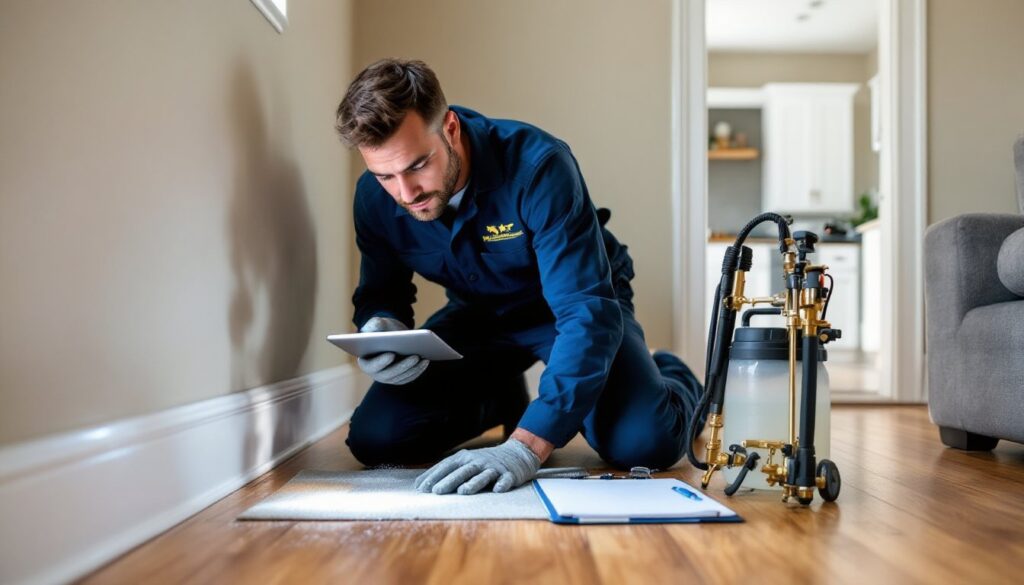
Their approach centers on Integrated Pest Management (IPM), which means they don’t just spray chemicals and call it a day. IPM combines inspection, identification, treatment, and ongoing monitoring. A technician will first assess your property to identify pest species, locate entry points, and evaluate conducive conditions, things like moisture problems, gaps in foundation walls, or improperly stored firewood.
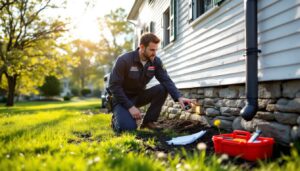
Treatments vary by pest type but typically include a combination of targeted pesticide application (using EPA-registered products), physical exclusion methods (sealing cracks, installing door sweeps, screening vents), and habitat modification recommendations. For example, if you’ve got carpenter ants, they’ll treat active colonies but also flag the moisture issue in your crawlspace that’s drawing them in.
Most services include a warranty period, meaning if pests return within a specified timeframe (often 30-90 days depending on the treatment), they’ll re-treat at no extra charge. Technicians are state-licensed and required to follow Massachusetts pesticide applicator regulations, which mandate specific training and continuing education.
Services Offered by Insight Pest Control
Residential Pest Solutions
Homeowners can access a wide range of treatments for common and specialty pests. Standard offerings include:
- General pest control: Covers ants, spiders, silverfish, earwigs, and occasional invaders. Quarterly treatments are typical, focusing on exterior perimeter barriers and interior spot treatments.
- Rodent control: Trapping, exclusion work, and bait stations for mice and rats. This often involves sealing gaps around utility penetrations, foundation cracks, and roof-to-wall junctions, areas where rodents exploit even quarter-inch openings.
- Termite services: Liquid barrier treatments and/or bait station systems (like Sentricon or similar). Termite work often requires a separate contract and may involve drilling through concrete slabs or trenching around foundation footers.
- Bed bug treatments: Heat treatments or chemical applications. Bed bugs need temperatures above 120°F sustained for several hours or multiple pesticide visits: it’s not a one-and-done job.
- Wildlife removal: Squirrels, raccoons, bats, and skunks. This includes humane trapping and permanent exclusion repairs, like replacing damaged soffit vents or installing chimney caps.
For homes built before 1978, lead-safe work practices apply if technicians disturb painted surfaces during exclusion work, per EPA RRP rules. Companies specializing in certified pest control are trained in handling such requirements.
Commercial Pest Management
Businesses face different stakes, health inspections, liability, and reputation are all on the line. Insight offers:
- Restaurants and food service: Monthly or more frequent visits focusing on sanitation compliance, rodent monitoring, and fly control. Documentation is critical for health department audits.
- Warehouses and storage facilities: Rodent control, bird exclusion, and stored product pest management (grain beetles, Indian meal moths).
- Office buildings: Routine service for ants, spiders, and occasional pests, plus preventative monitoring.
- Healthcare facilities: Specialized protocols meeting infection control standards, using low-odor, low-toxicity products in sensitive areas.
Commercial contracts typically include detailed service reports, pest sighting logs, and trend analysis, all helpful if you’re ever facing a third-party audit or need to demonstrate due diligence.
Why Homeowners Choose Insight Pest Control
People hire pros for a few practical reasons. First, correct identification matters. Carpenter ants and termites both damage wood, but treatments are entirely different. Misidentify the pest, and you’ll waste money on the wrong solution.
Second, access to commercial-grade products. Over-the-counter sprays use lower concentrations of active ingredients and lack residual effectiveness. Professional products, like non-repellent termiticides or microencapsulated insecticides, offer longer-lasting control and better transfer effects (meaning pests carry the product back to nests).
Third, safety and liability. Applying pesticides near potable water, around food prep areas, or in enclosed spaces like crawlspaces requires understanding label restrictions and proper PPE. A licensed pest control provider carries insurance and follows state regulations, which matters if something goes wrong.
Fourth, time and equipment. Treating for termites might mean renting a commercial sprayer, buying 50+ gallons of mixed termiticide, and drilling hundreds of holes in your basement slab, all before you even apply product. Most homeowners would rather pay someone who already owns a concrete drill, knows the application rate (typically 4 gallons per 10 linear feet at foundation depth), and can complete the job in a day.
Finally, ongoing monitoring. Pests don’t respect one-time treatments. Quarterly or bi-monthly service catches new activity before it becomes a full-blown infestation. If you’re managing a home improvement project, pest prevention should be part of routine maintenance, not an afterthought.
Insight Pest Control vs. DIY Pest Management: Which Is Right for You?
DIY works fine for minor, isolated problems, a few ants on the counter, a single wasp nest under the eave, or a spider in the garage. Here’s when to grab the spray can yourself:
- Small populations: A handful of ants or a couple of spiders don’t warrant a service call.
- Easily accessible pests: You can physically reach and treat the problem without climbing a ladder or entering a tight crawlspace.
- Non-structural pests: Nuisance bugs that don’t threaten the building (like boxelder bugs or Asian lady beetles).
But, DIY has serious limits. If you’re dealing with termites, carpenter ants, bed bugs, rodents, or stinging insects, the risk of incomplete treatment or personal injury outweighs the cost savings. Products like roach control solutions or spider treatments require strategic placement and often multiple applications to break reproductive cycles.
Consider hiring a pro when:
- The infestation is widespread: Multiple rooms, recurring sightings, or visible damage.
- You can’t locate the source: Pests are nesting inside walls, under slabs, or in inaccessible voids.
- Safety concerns exist: Treating near electrical panels, HVAC systems, or in attics with poor ventilation increases risk.
- You’ve already tried DIY and failed: If over-the-counter products haven’t worked after two weeks, you’re likely dealing with resistance or misapplication.
- Structural work is needed: Sealing foundation cracks, replacing damaged sill plates, or installing vent screens often requires carpentry skills and tools.
One hybrid approach: handle routine prevention yourself (caulking gaps, fixing leaky faucets, keeping firewood 20+ feet from the house) and bring in pros for active infestations or annual inspections. That way, you’re not paying for services you can reasonably do, but you’re not gambling on DIY for high-stakes problems.
Pricing and Service Plans: What to Expect
Pest control pricing isn’t standardized, and it varies based on property size, pest type, severity, and regional market rates. Here’s a general breakdown for Massachusetts-area services (prices as of 2026):
Initial service costs:
- General pest control (one-time): $150–$300 for a typical 1,500–2,500 sq ft home.
- Rodent control (initial visit + trapping setup): $200–$450.
- Termite inspection: Often free or $75–$150 if detailed reporting is needed.
- Termite treatment: $1,200–$3,500+ depending on linear footage and treatment method (liquid vs. bait).
- Bed bug treatment (one room): $300–$800 per room: whole-house heat treatments run $1,500–$4,000.
Ongoing service plans:
- Quarterly pest control: $100–$175 per visit (most companies offer discounts if you prepay annually).
- Bi-monthly service: $75–$125 per visit.
- Termite monitoring (annual bait station checks): $250–$400/year.
Factors affecting price include:
- Property size: Larger homes require more material and time.
- Pest species: Specialized treatments (like bed bugs or termites) cost more than general pest service.
- Accessibility: Crawlspaces with limited clearance, steep roofs, or heavy vegetation increase labor time.
- Infestation severity: Heavy infestations need multiple treatments or more intensive work.
Many companies, including Insight, offer bundled plans that combine general pest control with rodent monitoring or termite protection. These can save 10–20% compared to buying services individually. Always ask for a written estimate that specifies treatment methods, product names, number of visits, and warranty terms.
Keep in mind that pest control is generally cheaper than repairing damage. Termites can compromise floor joists and rim boards: carpenter ants hollow out structural lumber: rodents chew through wiring (a fire hazard per NEC Article 310 insulation standards). For context on planning budgets for home projects, resources like ImproveNet cost guides break down typical expenses across various services.
If pricing seems high, get multiple quotes. But don’t choose solely on price, verify licensing, insurance, and whether the company uses IPM practices rather than just chemical-only treatments.