Table of Contents
ToggleNothing ruins a Sunday morning quite like spotting a roach scurrying across the kitchen counter or finding mouse droppings behind the fridge. Pests don’t wait for convenient hours, and professional exterminators don’t always fit the budget or schedule. That’s where DIY pest control comes in, not as a half-measure, but as a legitimate approach to protecting your home when you’ve got the right tools, materials, and know-how. Whether you’re dealing with an active infestation or looking to lock down defenses before problems start, tackling pests yourself can save money and give you control over what chemicals (if any) enter your living space.
Key Takeaways
- DIY pest control can save $100–$270 per treatment compared to professional services while giving you same-day control over infestations.
- Effective DIY pest control requires essential tools like sprayers, caulk guns, dust applicators, snap traps, and gel baits—plus proper PPE for safe application.
- Combine sanitation with targeted baits and traps to eliminate ants, roaches, and rodents, avoiding foggers and rodenticide that push pests deeper into walls.
- Natural methods like diatomaceous earth and essential oils work best for prevention and light pressure, but strong infestations require chemical baits or professional help.
- Seal foundation cracks wider than 1/8 inch, trim vegetation 12 inches from your foundation, and apply perimeter treatments twice yearly to create a barrier against crawling insects.
- Know your limits: termites, bed bugs, and large wildlife require licensed professionals, while DIY remains effective for routine household pests when followed for 4–6 weeks before escalating.
Why Choose DIY Pest Control Over Professional Services
The cost difference hits first. A single professional pest treatment typically runs $150-$300 for a standard home visit, and quarterly contracts can top $500 annually. DIY approaches using baits, traps, and perimeter sprays usually cost $30-$100 per treatment cycle, depending on materials and square footage.
Timing matters, too. Exterminators book days or weeks out, while pests multiply now. With DIY methods, you’re addressing the problem the same day you spot it, no waiting for appointment windows or rescheduling around work.
You also control the chemistry. Many homeowners want to limit exposure to synthetic pyrethroids or neonicotinoids, especially with kids or pets in the house. DIY lets you choose targeted baits, mechanical traps, or natural deterrents and rotate methods based on what’s actually working.
That said, DIY has limits. If you’re dealing with termites (structural damage), bed bugs (notoriously treatment-resistant), or large wildlife like raccoons or bats, you’re better off calling a licensed pro. Termite work often requires tenting or soil treatments that need specialized equipment and state certification. Same goes for anything involving the interior of walls or attic spaces where you might disturb insulation, wiring, or load-bearing members.
Essential Tools and Supplies for Effective DIY Pest Control
Start with the basics. You’ll need:
- Handheld sprayer (1-2 gallon capacity) for applying liquid perimeter treatments
- Caulk gun and exterior-grade silicone or polyurethane sealant for sealing cracks and gaps
- Dust applicator (bulb or bellows style) for applying boric acid or diatomaceous earth into wall voids and tight spaces
- Headlamp or work light for inspecting crawl spaces, attics, and under sinks
- Stiff brush and shop vacuum for cleaning up droppings, egg cases, and dead insects
- Nitrile gloves and N95 respirator when handling concentrated pesticides or cleaning contaminated areas
For materials, stock a rotation of products:
- Gel baits (fipronil or indoxacarb-based) for ants and roaches
- Granular bait stations for outdoor ant colonies and crickets
- Snap traps and electronic traps for rodents (more reliable than glue boards)
- Perimeter spray (bifenthrin or lambda-cyhalothrin) rated for outdoor foundation treatment
- Dust formulations like boric acid for wall voids, attics, and behind appliances
Store pesticides in a locked cabinet or shed, away from food, pet supplies, and direct sunlight. Most liquid concentrates have a shelf life of 2-3 years if kept sealed and at stable temperatures.
Don’t skip PPE. Even “low-toxicity” products can irritate skin or lungs during mixing and application. Gloves, long sleeves, and a mask aren’t optional, they’re part of doing the job right.
Natural and Chemical-Free Pest Control Solutions
Natural methods work best as prevention and deterrents, not knockout treatments for active infestations. Diatomaceous earth (food-grade) is a staple: the fine silica powder damages insect exoskeletons, causing dehydration. Dust it along baseboards, behind appliances, and in attic spaces where you’ve seen activity. It stays effective as long as it’s dry, but it won’t kill instantly, expect results over several days.
Essential oils like peppermint, eucalyptus, and tea tree can repel certain pests when mixed into a spray solution (10-15 drops per cup of water with a splash of dish soap as an emulsifier). Mice dislike peppermint, and ants often avoid strong scents. Reapply every few days: natural sprays break down faster than synthetics.
Boric acid bridges the gap between natural and chemical. It’s a mineral compound, low-toxicity to mammals, but lethal to insects that ingest it. Dust it into wall voids, under sinks, and along the backs of cabinets. Keep it dry and out of reach of kids and pets, it’s not toxic like a pesticide, but it’s not food, either.
For keeping spaces pest-resistant, focus on the basics recommended by routine home maintenance: dehumidify basements and crawl spaces (pests need moisture), fix leaky pipes, and store pantry goods in airtight containers. Many infestations start because a home offers easy food, water, and shelter.
Natural methods won’t replace everything. If you’re facing a cockroach population that’s already established or a mouse colony in the walls, you’ll need stronger tools. But for light pressure and ongoing prevention, these approaches let you avoid introducing synthetic chemicals indoors.
Tackling Common Household Pests: Step-by-Step Strategies
Ants and Cockroaches
Ants and roaches share a key vulnerability: they’re social feeders, which makes bait the most effective DIY weapon. For ants, identify the species first, tiny sugar ants respond to liquid bait (borax-based), while carpenter ants need protein-based gel baits. Place bait stations along trails, near entry points, and in cabinets where you’ve seen activity. Don’t spray insecticide near bait: it’ll repel them before they carry poison back to the colony.
For roaches, sanitation is half the battle. Clean up crumbs, fix leaky faucets, and get clutter off floors (roaches hide in cardboard and paper piles). Apply gel bait in pea-sized dots along the backs of cabinets, under the sink, behind the fridge, and inside electrical outlet covers (power off first). Dust boric acid into wall voids where plumbing enters. Studies on effective roach control consistently show that combining sanitation with targeted baits outperforms spray-only methods.
Avoid foggers and bug bombs, they push roaches deeper into walls and rarely reach the nest. You want them eating poison, not running from it. Monitor bait stations weekly and replace as needed until activity stops, then keep a maintenance schedule to catch scouts before they bring friends.
Depending on your region, you might also encounter spiders moving indoors during seasonal changes, which often follow the insects you’re already targeting. Controlling the food source handles both problems.
Rodents and Wildlife
Mice and rats are trap jobs, not bait jobs. Rodenticide (poison bait) causes animals to die inside walls or attics, leading to smell issues and attracting secondary pests. Use snap traps or electronic traps instead. Bait with peanut butter, dried fruit, or nesting material like cotton balls. Place traps perpendicular to walls with the trigger side facing the baseboard, rodents run along edges, not across open floors.
Set multiple traps: six to twelve for a typical home with an active mouse problem. Check daily, dispose of carcasses in sealed bags, and reset. If you’re catching more than a couple per week, you’ve got a bigger issue, look for entry points. Mice squeeze through gaps as small as 1/4 inch: rats need 1/2 inch. Seal around pipe penetrations, HVAC vents, foundation cracks, and gaps where siding meets the foundation using steel wool packed with caulk or expanding foam rated for pest exclusion.
For larger wildlife, squirrels in the attic, raccoons in the crawl space, this moves beyond DIY. Most states require permits or licenses to trap and relocate wildlife, and animals can become aggressive when cornered. If you hear thumping, scratching, or see large droppings, call a licensed nuisance wildlife control operator. Trying to handle it yourself risks injury, legal trouble, and incomplete exclusion (they’ll just come back).
Prevention Tips to Keep Pests Away Year-Round
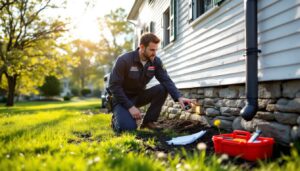
The best pest control happens before pests show up. Start outside. Walk your home’s perimeter and seal any crack wider than 1/8 inch in the foundation, around windows, and where utilities enter. Use exterior-grade caulk or polyurethane sealant, not spray foam, which insects can chew through.
Trim vegetation back at least 12 inches from the foundation. Shrubs and mulch against the house create highways for ants, spiders, and termites. If you’re using mulch, keep it 3-4 inches away from siding and no deeper than 2-3 inches overall to reduce moisture retention.
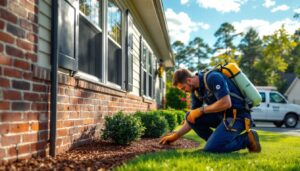
Apply a perimeter treatment twice per year, spring and late summer. Use a liquid concentrate rated for outdoor use (bifenthrin and lambda-cyhalothrin are common active ingredients). Spray a 3-foot band along the foundation, up the wall, and out onto the ground. This creates a barrier that kills crawling insects before they reach entry points. Wear gloves and avoid spraying on windy days.
Indoors, focus on eliminating attractants. Store garbage in sealed bins, don’t leave pet food out overnight, and fix leaky faucets. Even minor drips create water sources for roaches and ants. According to home organization experts, decluttering kitchens and pantries removes hiding spots and makes it easier to spot early signs of infestation.
For outdoor entertaining spaces, consider targeted approaches for stinging insects. During warmer months, wasp nest management and yellow jacket control become priorities around decks and patios. Treat nests at dusk when insects are less active, and always have an escape route.
If you spend time in wooded or grassy areas, don’t overlook tick prevention strategies, especially in late spring and early fall when nymph and adult ticks are most active.
Inspect your home quarterly. Use a flashlight to check under sinks, behind appliances, in the attic, and along basement walls. Look for droppings, chew marks, shed skins, or egg cases. Catching problems early, when you’ve got two mice instead of twenty, makes DIY control realistic.
Finally, know when to call in help. If you’ve followed these steps for four to six weeks without seeing improvement, or if you’re dealing with extensive roach infestations in multi-unit buildings, it’s time to bring in certified professionals. There’s no shame in escalating, pest control is about results, not pride.