Table of Contents
ToggleFinding a black widow spider in your garage or basement isn’t just unsettling, it’s a legitimate safety concern. These venomous spiders carry neurotoxic venom that can cause severe pain, muscle cramps, and in rare cases, life-threatening reactions. Whether you’re dealing with a single sighting or a recurring problem, understanding how to identify, control, and prevent black widow infestations is essential for keeping your home safe. This guide walks you through DIY methods that work, when to call in the pros, and how to choose the right local exterminator for the job.
Key Takeaways
- Black widow pest control near me requires proper identification of the distinctive red hourglass marking on the female’s abdomen and recognition of their irregular, three-dimensional webs in dark spaces.
- DIY removal methods like shop vacuuming, diatomaceous earth, and essential oil sprays work for isolated cases, but professional exterminators are essential for multiple sightings or hard-to-reach infestations.
- Verify state licensing, request a thorough inspection, and compare quotes from at least three pest control companies to ensure you’re hiring an experienced black widow specialist.
- Reducing shelter and prey—removing clutter, sealing entry points, controlling outdoor lighting, and managing other pest populations—prevents future black widow infestations.
- National average costs for professional black widow pest control range from $150–$300 for initial treatment, with quarterly plans typically running $75–$125 per visit.
- Most black widow bites occur when the spider is accidentally pressed against skin during storage or gardening, so wearing heavy gloves when handling materials in high-risk areas is critical for safety.
How to Identify Black Widow Spiders in Your Home
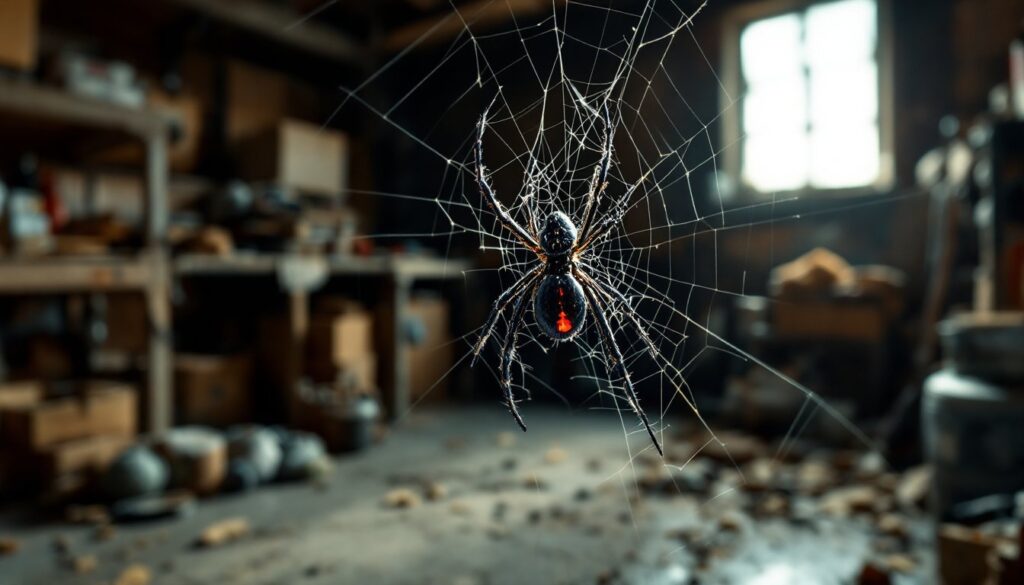
Black widows are easily recognizable once you know what to look for. Adult females are jet black with a distinctive red hourglass marking on the underside of their round abdomen. They measure about 1.5 inches across including legs and have a shiny, bulbous body that sets them apart from common house spiders.
Males are smaller, brown or gray, and pose little threat, they rarely bite and their venom is far weaker. Immature females lack the full hourglass but may show red or orange spots.
Black widow webs are irregular, three-dimensional tangles rather than the neat orbs you see from garden spiders. The silk is exceptionally strong and has a coarse, almost comb-like texture. You’ll typically find these webs in dark, undisturbed areas: crawl spaces, basement corners, behind stored boxes, under decks, in wood piles, and inside rarely-used sheds or garages.
The spiders are nocturnal and shy. They won’t chase you down, but they will bite defensively if pressed against skin, think reaching into a dark corner or putting on a boot where one’s hiding. Wear gloves when handling stored items in high-risk areas, especially in garages and basements.
Why Black Widows Are Attracted to Your Property
Black widows don’t invade homes looking for warmth or food scraps like ants or roaches. They’re after prey, small insects, and they prefer locations that offer shelter and low human traffic.
Key attractants include:
- Clutter and stored materials: Cardboard boxes, firewood stacks, old lumber, and holiday decorations create perfect hiding spots.
- Insect populations: If you have crickets, beetles, flies, or other small bugs around your foundation or in your garage, you’re providing a food source.
- Dark, dry spaces: Crawl spaces, attics, basements, sheds, and under-deck voids are prime habitat.
- Outdoor debris: Leaf piles, rock walls, compost bins, and dense ground cover near the home foundation.
Many effective pest control strategies focus on reducing shelter and prey availability. Homes with poor exterior lighting that attracts night-flying insects can inadvertently draw spiders closer, since those bugs are a ready meal.
DIY Black Widow Control Methods That Actually Work
If you’ve spotted one or two black widows and want to tackle the problem yourself, it’s doable, but proceed with caution. Always wear heavy gloves, long sleeves, and eye protection when dealing with spiders or their webs.
Start with mechanical removal: Use a shop vacuum with a hose attachment to suck up webs, egg sacs, and spiders from a safe distance. Immediately seal the vacuum bag in a plastic bag and dispose of it in an outdoor trash bin. Don’t use your household vacuum, spider parts and egg sacs can survive inside.
For accessible webs, knock them down with a long stick or broom, then crush the spider with a heavy shoe or a folded newspaper. Egg sacs are tan or cream-colored, papery spheres about the size of a marble, destroy these on contact, as each can hold 200–900 spiderlings.
Natural and Chemical Treatment Options
Natural treatments include:
- Diatomaceous earth (DE): Food-grade DE is a fine powder that damages spider exoskeletons. Dust it lightly in cracks, along baseboards, and around entry points. Wear a dust mask during application.
- Essential oil sprays: Peppermint oil, tea tree oil, and eucalyptus oil diluted in water (10–15 drops per cup) can repel spiders. Spray around window frames, door thresholds, and known hiding spots. Reapply weekly.
- Sticky traps: Place non-toxic glue traps along walls in garages, basements, and crawl spaces to monitor and catch wandering spiders.
Chemical treatments work faster and last longer:
- Residual insecticide sprays: Products containing bifenthrin, cyfluthrin, or lambda-cyhalothrin are effective against spiders. Apply to baseboards, corners, cracks, and other harborage areas. Follow label directions and keep pets and children away until dry.
- Aerosol contact killers: Sprays with pyrethrins knock down spiders on contact. Use these for spot treatments, not broad prevention.
- Dust formulations: Insecticidal dusts (such as those containing deltamethrin) can be applied in wall voids, attics, and crawl spaces where moisture isn’t an issue. These last months and work well in areas hard to reach with liquid sprays.
Always read and follow the pesticide label, it’s not just a suggestion, it’s federal law under FIFRA regulations. If you’re treating inside living spaces, prioritize low-toxicity products and ventilate well.
For outdoor control, treat foundation perimeters, under decks, around window wells, and in stacked firewood. Remove webs and apply residual spray to create a barrier that reduces re-infestation.
When to Call a Professional Pest Control Service
DIY control works for small, isolated problems, but there are clear scenarios where calling in a certified pest control professional is the smarter, and safer, move.
Call a pro if:
- You’ve found multiple black widows or egg sacs in different areas of your home.
- Spiders are in hard-to-reach or hazardous locations (crawl spaces with limited clearance, behind heavy appliances, in attics with loose insulation).
- You or a family member has a health condition that makes envenomation especially risky (young children, elderly individuals, or anyone with compromised immune systems).
- DIY treatments haven’t worked after two weeks of consistent effort.
- You’re uncomfortable handling venomous spiders or applying pesticides yourself.
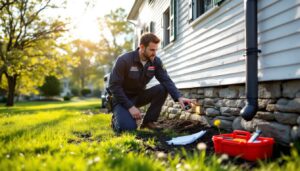
Professional exterminators bring commercial-grade products, specialized application equipment (power dusters, crack-and-crevice injectors), and the experience to locate hidden harborage areas you might miss. Many services include follow-up visits and written warranties.
According to HomeAdvisor, the national average for spider control service ranges from $150 to $300 for an initial treatment, with costs varying by region, infestation severity, and property size. Ongoing quarterly pest control plans typically run $75 to $125 per visit and often cover a range of pests, not just spiders.
How to Choose the Right Local Black Widow Exterminator
Not all pest control companies are created equal. When you’re dealing with a venomous spider, you want a technician who knows the difference between a black widow and a false widow, and who can tailor a treatment plan to your home’s specific conditions.
Start by verifying state licensing and insurance. Every state requires pest control operators to hold a valid pesticide applicator license. Ask to see credentials and confirm the company carries liability insurance.
Look for companies with experience in spider-specific treatments, not just general pest control. Spider biology and behavior are different from ants or termites, effective treatment requires different products and application methods.
Request a thorough inspection before any treatment. A good technician will inspect your entire property, identify harborage sites, note conducive conditions (like excessive clutter or exterior lighting), and explain the treatment plan in detail. Be wary of companies that quote a price over the phone without seeing your home.
Ask about products and methods: What active ingredients will they use? Are treatments interior, exterior, or both? How long before it’s safe for kids and pets to return to treated areas? Will they remove webs and egg sacs as part of the service?
Check online reviews, but read them critically. A single bad review among dozens of positive ones is normal. Patterns of complaints about high-pressure sales, missed appointments, or ineffective treatments are red flags. Resources like Angie’s List for spider exterminators provide vetted contractor reviews and detailed hiring guides.
Get at least three quotes and compare what’s included, not just the bottom-line price. A lower bid that only treats the interior won’t solve the problem if spiders are entering from outside.
Preventing Future Black Widow Infestations
Once you’ve eliminated black widows, prevention is about making your home less hospitable. Most infestations are preventable with consistent habitat modification.
Reduce clutter: Store items in sealed plastic bins, not cardboard boxes. Elevate storage off the floor on shelves or pallets. Keep garages, basements, and sheds organized, spiders love dark, undisturbed piles.
Seal entry points: Caulk cracks in foundations, around window frames, and where utilities enter the home. Install door sweeps on exterior doors and repair torn window screens. Black widows are small, gaps as narrow as 1/8 inch are enough.
Control outdoor lighting: Switch to yellow or sodium vapor bulbs for exterior lighting, which attract fewer insects. Keep lights off when not needed, or use motion sensors.
Maintain landscaping: Trim vegetation away from the foundation (maintain at least a 12-inch clearance). Remove leaf litter, grass clippings, and mulch buildup. Store firewood at least 20 feet from the house and elevate it off the ground.
Manage other pests: Black widows follow their food. Controlling crickets, beetles, and flies reduces spider populations. Regular roach pest control efforts also limit potential prey for spiders.
Inspect regularly: Walk your property every few weeks, especially in spring and fall. Check window wells, crawl space vents, under deck stairs, and behind outdoor furniture. Knock down any new webs immediately.
Wear gloves: Make it a habit to wear gloves when reaching into storage areas, handling firewood, or working in the garden. Most black widow bites happen when the spider is accidentally pressed against skin.
For comprehensive ongoing protection, many homeowners opt for quarterly treatments through services similar to those offered by local providers or larger operations like Cascade-style programs, which combine interior and exterior applications with habitat modification advice. Preventive treatments create a chemical barrier that repels spiders and kills any that cross treated surfaces.
By combining smart sanitation, exclusion, and targeted treatments, homeowners can keep black widows out for good, without turning the garage into a no-go zone.