Table of Contents
TogglePest problems don’t wait for a convenient moment. They show up when you’re hosting dinner, closing on a home sale, or trying to sleep at 2 a.m. For homeowners in Nashville and surrounding areas, Mack Pest Control has built a reputation tackling these issues head-on with professional-grade treatments and decades of field experience. This guide breaks down what makes their approach different, which pests they handle, and when it makes sense to call in the pros versus grabbing a can of spray from the hardware store.
Key Takeaways
- Mack Pest Control combines licensed technicians, integrated pest management, and quarterly service agreements tailored to Tennessee’s humid subtropical climate and seasonal pest cycles.
- Professional pest control services use higher-concentration formulations, specialized equipment, and restricted-use pesticides that are significantly more effective than DIY consumer products for structural pests like termites and bed bugs.
- Mack Pest Control emphasizes eco-friendly practices including mechanical exclusion, habitat modification, and low-toxicity options like botanical insecticides and biological larvicides before deploying synthetic chemicals.
- Quarterly maintenance plans ($90–$150 per visit) typically cost less than emergency calls and align with spring termite swarms, summer mosquito peaks, and fall rodent activity, making proactive service more cost-effective than reactive treatment.
- Seal foundation cracks wider than ⅛ inch, manage moisture below 60% humidity, trim vegetation 12–18 inches from siding, and store food in airtight containers to prevent re-infestation between professional pest control visits.
- Call professional pest control for termites, bed bugs, recurring infestations, large-scale problems, and health risks; DIY solutions work only for isolated incidents, prevention maintenance, and low-risk pests like common spiders.
What Is Mack Pest Control and Why Homeowners Choose It
Mack Pest Control operates as a regional service provider focusing on residential and commercial properties. They’re not a national franchise with cookie-cutter plans, they tailor treatments to local pest pressure and Tennessee’s humid subtropical climate, which breeds mosquitoes, termites, and roaches year-round.
Homeowners lean on them for several reasons: licensed technicians who understand state regulations, integrated pest management (IPM) that combines chemical and non-chemical tactics, and follow-up visits that prevent re-infestation. According to customer feedback on Angie’s List, responsiveness and thoroughness are recurring themes in their service delivery.
Unlike one-off treatments, Mack Pest Control typically offers quarterly service agreements. This schedule aligns with seasonal pest cycles, spring termite swarms, summer mosquito peaks, fall rodent activity as temperatures drop. The recurring model isn’t just upselling: it addresses the reality that pest pressure shifts with the calendar.
Common Pests Mack Pest Control Targets in Residential Properties
In the Southeast, you’re dealing with a roster of pests that thrive in warmth and moisture. Mack Pest Control handles the usual suspects plus a few regional specialists:
Termites are the biggest structural threat. Subterranean termites in Tennessee can chew through floor joists, studs, and subflooring before you notice sagging floors or hollow-sounding wood. Professional treatments involve liquid termiticides applied to soil around the foundation or bait stations monitored quarterly. DIY termite control rarely works because colonies extend 50+ feet underground.
Roaches, especially German and American cockroaches, nest in wall voids, under appliances, and inside electrical panels. They’re not just gross: they trigger asthma and spread bacteria. Professional services use gel baits in cracks and crevices plus insect growth regulators (IGRs) that prevent nymphs from maturing. Homeowners dealing with persistent roach problems often benefit from specialized roach control approaches that address breeding sites.
Ants (carpenter, odorous house, fire ants) require different strategies depending on species. Carpenter ants excavate wood but don’t eat it, they nest in moisture-damaged lumber. Fire ants build mounds in lawns and deliver painful stings. Effective control means locating the queen, not just killing workers.
Rodents (mice, rats) chew through wiring and insulation. They squeeze through openings as small as ¼ inch for mice, ½ inch for rats. Exclusion work, sealing entry points with copper mesh and mortar, matters as much as traps or bait stations.
Mosquitoes and ticks get worse each year. Mosquito treatments focus on larvicide applications in standing water and barrier sprays on shrubs where adults rest. Tick control involves treating transition zones between lawn and wooded areas.
How Mack Pest Control Methods Compare to DIY Solutions
DIY pest control works for minor issues, a few ants on the counter, a spider in the basement. But there’s a gap between consumer products and professional tools. Homeowners can buy 0.05% bifenthrin concentrate at big-box stores: pros use formulations at 7.9% concentration with residual activity lasting months, not weeks.
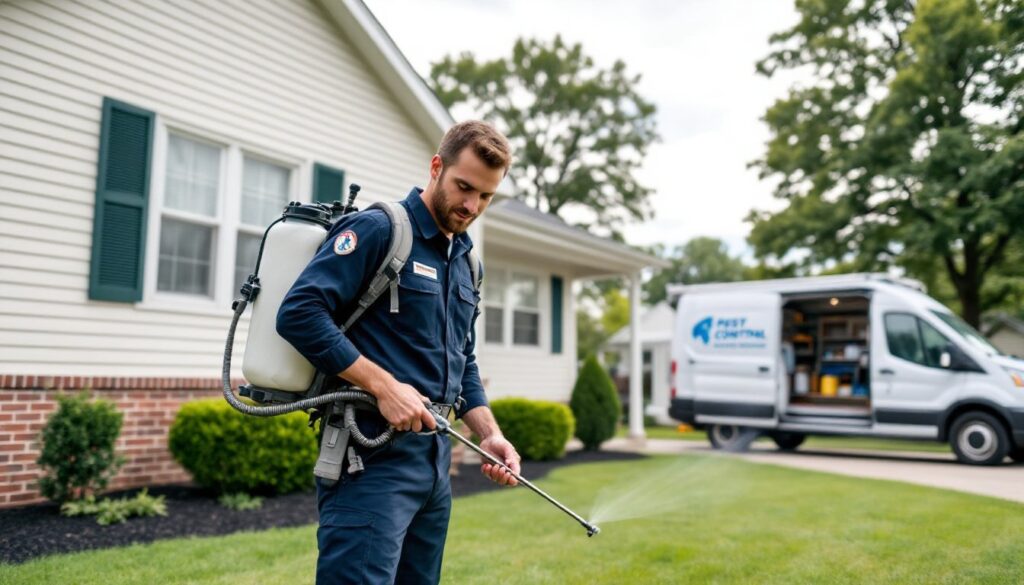
Application equipment makes a difference too. A hand-pump sprayer applies inconsistent pressure and coverage. Commercial backpack sprayers deliver precise volume per square foot, which matters when you’re treating a foundation perimeter or crawl space. Similarly, professional certified pest control services ensure treatments meet EPA and state licensing standards.
Professionals also access restricted-use pesticides (RUPs) unavailable to consumers, products like Termidor for termites or Phantom for bed bugs. These require certification and training because misuse poses health risks or environmental damage.
Timing and identification separate pros from amateurs. Homeowners often misidentify pests or treat the wrong life stage. Killing adult fleas without addressing eggs and larvae in carpets just delays the problem. A tech knows to pair adulticides with IGRs for complete control.
Eco-Friendly and Sustainable Pest Control Practices
Mack Pest Control has adopted IPM principles that reduce reliance on synthetic chemicals. This approach prioritizes mechanical exclusion (sealing cracks, installing door sweeps), habitat modification (eliminating standing water, trimming vegetation away from structures), and monitoring (sticky traps, bait stations) before deploying pesticides.
When chemicals are necessary, techs choose low-toxicity options first. Botanical insecticides like pyrethrins (derived from chrysanthemums) break down quickly in sunlight. Boric acid dusts work on roaches and ants with minimal risk to mammals. Diatomaceous earth (DE) kills insects mechanically, not chemically, it’s fossilized algae that shreds exoskeletons.
For outdoor treatments, granular baits reduce spray drift. Mosquito control increasingly uses Bacillus thuringiensis israelensis (Bti), a biological larvicide that targets mosquito larvae without harming bees, fish, or birds. According to guidance from HomeAdvisor, eco-friendly pest control methods are growing in demand as homeowners prioritize safety around kids and pets.
When to Call Mack Pest Control vs. Handling It Yourself
Some situations demand professional intervention. Others waste money when a $12 can of spray and an afternoon would solve it.
Call the pros for:
- Termites, carpenter ants, powder post beetles, any pest damaging structural wood. DIY treatments don’t penetrate deep enough or cover colony spread.
- Bed bugs, heat treatments or whole-house fumigation require specialized equipment. Foggers don’t reach eggs hidden in mattress seams and electrical outlets.
- Recurring infestations after multiple DIY attempts. If you’ve sprayed three times and roaches keep appearing, you’re missing the source or using the wrong product.
- Large-scale problems, rats in the attic, a yellowjacket nest in the wall, or a flea infestation after a pet sat untreated. Volume and access matter.
- Health or safety risks, venomous spiders (brown recluse, black widow), aggressive wasp nests near entry doors, or hantavirus concerns from rodent droppings in enclosed spaces.
DIY works for:
- Isolated incidents, one mouse in the garage, a handful of ants trailing from a window.
- Prevention maintenance, caulking gaps, replacing weatherstripping, cleaning gutters to reduce mosquito breeding.
- Low-risk pests, common house spiders, millipedes, silverfish. These don’t reproduce fast or cause damage.
- Immediate knockdown while waiting for a service call, spraying a wasp nest at dusk with a 20-foot jet spray can buy time.
If you’re unsure, many companies offer free inspections. A tech can identify the pest, assess severity, and explain whether a quarterly plan or one-time treatment makes sense. Pest control strategies vary widely, and understanding options like pest control marketing approaches can reveal how companies position their services.
Cost Considerations and Value for Homeowners
Pest control pricing varies by region, property size, and pest type. In Middle Tennessee, expect these ballpark figures (2026 rates, subject to local market conditions):
- Initial service: $150–$300 for a comprehensive treatment covering interior, exterior perimeter, and common entry points.
- Quarterly maintenance: $90–$150 per visit, typically bundled into an annual contract.
- Termite treatments: $1,200–$2,500 for liquid barrier treatments: bait systems run $800–$1,500 upfront plus $300–$400 annual monitoring.
- One-time services (wasp nest removal, rodent exclusion): $150–$400 depending on access and infestation size.
Compare that to DIY costs: a gallon of professional-grade insecticide concentrate runs $50–$80 and requires a pump sprayer ($40–$100). You’ll treat the house yourself, but coverage and efficacy might fall short. For minor issues, DIY wins. For ongoing pressure or structural pests, the pro service pays off in time saved and treatment effectiveness.
Many companies offer bundled plans covering multiple pest types, ants, roaches, spiders, rodents, under one quarterly fee. This approach costs less than calling for individual emergencies. Some contracts include free re-treatments between scheduled visits if pests return.
According to estimates from ImproveNet, pest control ranks among the more cost-effective home maintenance services, especially when compared to repairing termite damage or replacing rodent-chewed wiring. Check whether your plan covers seasonal pests like mosquitoes or if that’s an add-on service.
Preventing Future Infestations: Tips from Pest Control Experts
Professional treatments buy time, but prevention keeps pests out long-term. Techs repeat these recommendations because they work:
Seal entry points. Walk your foundation and look for cracks wider than ⅛ inch. Fill them with polyurethane caulk or mortar. Install door sweeps on exterior doors, the kind with a rubber flange that drags the threshold. Rodents and insects slip under gaps as small as a dime’s thickness.
Manage moisture. Fix leaky faucets, unclog gutters, and redirect downspouts at least 6 feet from the foundation. Pests need water. German roaches cluster near dishwashers and sink traps: termites swarm toward moisture-damaged wood. A dehumidifier in the crawl space keeps humidity below 60%, discouraging mold and wood-destroying insects.
Trim vegetation. Keep shrubs and tree branches 12–18 inches away from siding. Overhanging limbs give rodents and ants a highway to your roof. Mulch beds look great but pile wood mulch no deeper than 2 inches against the foundation, it traps moisture and hides termite activity. Consider switching to rubber mulch or gravel in a 6-inch band along the house.
Store food properly. Transfer pet food, birdseed, and pantry staples into airtight plastic or glass containers. Cardboard and paper bags don’t stop rodents or pantry moths. Clean up crumbs and spills immediately. Wipe down counters with vinegar or diluted bleach to eliminate scent trails ants follow.
Inspect regularly. Check your attic, crawl space, and basement twice a year for signs, droppings, gnaw marks, shed skins, mud tubes (termites), or frass (sawdust-like debris from wood-boring insects). Early detection saves thousands in repairs. Regional services like Rove Pest Control also emphasize proactive monitoring as part of effective management.
Work with your service provider. If you’re on a quarterly plan, walk the property with your tech during visits. Ask what they’re seeing and where. Good techs explain hot spots and suggest DIY fixes between treatments. Communication turns a transactional service into a partnership.