Table of Contents
ToggleBoise’s high desert climate and booming suburban growth make it prime real estate, not just for homeowners, but for pests looking for food, water, and shelter. From ants marching through kitchen baseboards to rodents nesting in attics, local homeowners face a rotating cast of invaders year-round. The good news? Most pest problems are preventable with the right combination of exclusion, sanitation, and timely intervention. This guide walks through the most common pests in the Treasure Valley, proven DIY strategies, treatment options, and when it’s time to call in the pros.
Key Takeaways
- Boise pest control starts with prevention—sealing foundation cracks, gaps around utilities, and installing proper weatherstripping are the most effective strategies for keeping ants, rodents, and other pests out of your home.
- Understanding Boise’s seasonal pest patterns (ants in spring, yellowjackets in summer, rodents seeking indoor entry in fall) helps homeowners time prevention and treatment efforts before infestations take hold.
- DIY treatments like diatomaceous earth, boric acid baits, and perimeter sprays can address light to moderate pest problems, but always read labels carefully and prioritize safety with proper protective gear.
- Call a professional pest control service if you suspect widespread rodent infestations, hard-to-reach stinging insect nests, termites, bed bugs, or recurring problems despite your exclusion efforts.
- Year-round success requires consistent quarterly inspections, seasonal maintenance (especially sealing cracks before fall), regular sanitation, and fixing moisture issues like leaky faucets and poor gutter drainage.
Common Pests in Boise and Why They’re Attracted to Your Home
Boise sits at the intersection of sagebrush steppe and riparian corridors, creating habitat for a diverse pest population. Understanding what you’re up against, and why they’re showing up, is the first step in effective <a href="https://myglengarry.com/rove-pest-control-reviews/”>control.
Ants (particularly pavement ants and odorous house ants) are drawn to moisture and sugar sources. They exploit cracks in foundation slabs, gaps around windows, and utility penetrations. Once a scout finds food, pheromone trails bring the colony.
Spiders follow their food source: other insects. Common species include hobo spiders and yellow sac spiders. They favor undisturbed areas like crawl spaces, basements, and storage boxes.
Rodents (deer mice and Norway rats) seek warmth and nesting material as temperatures drop. They can squeeze through openings as small as ¼ inch for mice and ½ inch for rats. Attics, wall voids, and attached garages are prime targets.
Wasps and yellowjackets build nests in eaves, vents, and underground cavities. They’re attracted to protein (in spring) and sugars (late summer). Ground-nesting yellowjackets are especially aggressive when disturbed.
Boxelder bugs and stink bugs invade in fall, seeking overwintering sites. They congregate on south-facing walls before slipping indoors through gaps around windows and siding.
Seasonal Pest Patterns in the Treasure Valley
Pest activity in Boise follows a predictable calendar:
- Spring (March–May): Ant colonies emerge. Wasp queens scout nesting sites. Spiders increase indoor activity.
- Summer (June–August): Peak insect activity. Yellowjackets become aggressive. Rodents focus on outdoor nesting.
- Fall (September–November): Boxelder bugs and stink bugs mass on structures. Rodents begin seeking indoor entry points. Spiders move indoors.
- Winter (December–February): Indoor pest pressure from overwintering insects and rodents. Reduced outdoor activity.
Understanding these patterns helps homeowners time prevention efforts before infestations take hold.
DIY Pest Prevention Strategies for Boise Homeowners
Prevention beats treatment every time. Most pest invasions succeed because of small structural gaps and readily available food or water.
Sealing Entry Points and Eliminating Attractants
Start with a perimeter walk-around. Look for:
- Foundation cracks: Seal with polyurethane or silicone caulk rated for exterior use. Cracks wider than ½ inch may require backer rod before caulking.
- Gaps around utility penetrations: Where pipes, cables, or conduit enter the house, fill voids with copper mesh (rodents can’t chew it) and cover with expanding foam or mortar.
- Window and door sweeps: Install door sweeps with a maximum ¼-inch gap to the threshold. Replace worn weatherstripping around windows.
- Vent screens: Ensure crawl space vents, dryer vents, and attic vents have intact ¼-inch mesh screening. Repair or replace damaged screens.
- Roof-to-wall junctions: Check where roof lines meet siding. Gaps here are common rodent highways. Use metal flashing or caulk as appropriate.
Inside, focus on sanitation and moisture control:
- Kitchen hygiene: Wipe counters nightly. Store dry goods (flour, cereal, pet food) in airtight containers. Don’t leave dirty dishes overnight.
- Trash management: Use bins with tight-fitting lids. Take trash out regularly. Rinse recyclables before storage.
- Moisture elimination: Fix leaky faucets, under-sink drips, and sweating pipes. Use dehumidifiers in basements or crawl spaces if humidity exceeds 50%.
- Firewood storage: Stack firewood at least 20 feet from the house and 6 inches off the ground on a rack. Firewood against siding is a rodent and insect magnet.
- Landscaping: Trim tree branches back at least 6 feet from the roofline. Keep mulch 12 inches away from the foundation. Overgrown shrubs against the house create pest highways and moisture traps.
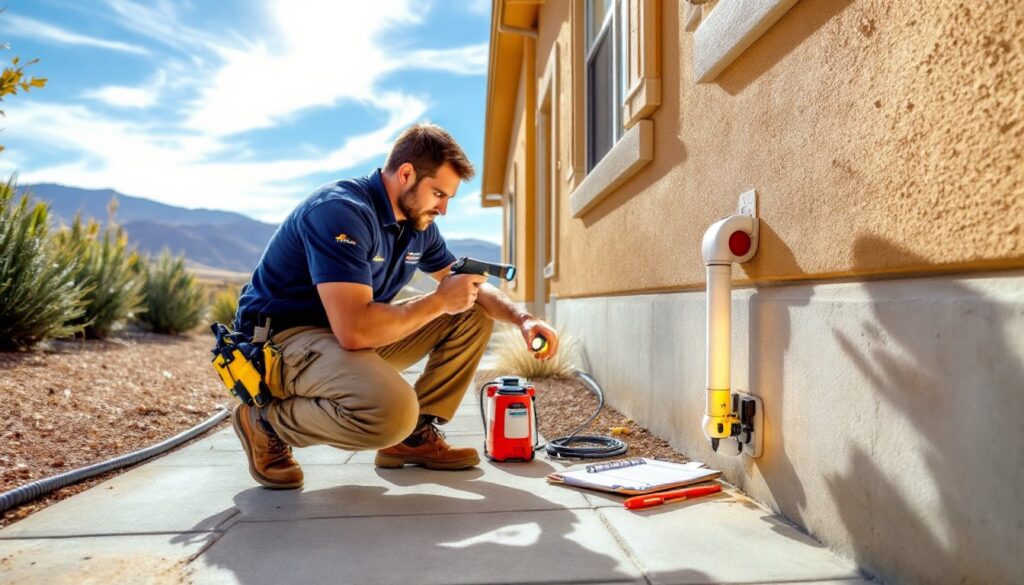
These steps require minimal tools, caulk gun, utility knife, wire snips, and a ladder, but deliver outsized returns in pest reduction. Many homeowners using certified pest services still prioritize exclusion as the foundation of long-term control.
Natural and Chemical Treatment Options You Can Apply Yourself
Once prevention is in place, targeted treatments address active infestations.
Natural options work best for light to moderate problems:
- Diatomaceous earth (DE): Food-grade DE is a mechanical insecticide. Sprinkle it along baseboards, in crawl spaces, and around entry points. It damages insect exoskeletons, causing dehydration. Wear a dust mask during application: DE is irritating to lungs.
- Boric acid: Effective against ants and roaches. Mix with powdered sugar (3:1 boric acid to sugar) and place in shallow caps where pests travel. Keep away from children and pets.
- Essential oil sprays: Peppermint, tea tree, and eucalyptus oils repel some insects. Mix 10–15 drops per cup of water with a few drops of dish soap (helps emulsify). Spray around windows and door frames. Reapply weekly. Results are modest and temporary.
- Sticky traps: Place along baseboards and in corners to monitor and capture crawling insects. Useful for identifying problem areas.
Chemical treatments offer faster, stronger knockdown:
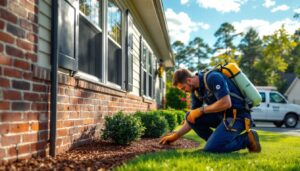
- Perimeter sprays: Products containing bifenthrin or permethrin create a barrier when applied to foundation walls, door thresholds, and window frames. Apply with a pump sprayer in a 3-foot band up the foundation and 3 feet out onto soil or hardscape. Reapply every 3 months or after heavy rain. Wear gloves and goggles: follow label mixing ratios exactly.
- Ant baits: Gel or granular baits (often containing borax or fipronil) are carried back to the colony. Place near trails, not on them, you want foragers to find and transport the bait. Avoid spraying near bait stations: it repels ants before they feed.
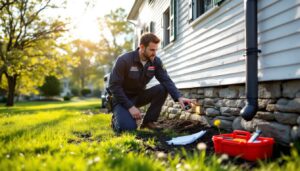
- Rodent bait stations: Tamper-resistant stations loaded with bromadiolone or diphacinone baits belong outdoors only, placed along exterior walls where droppings or gnaw marks appear. Check and refill weekly. Wear gloves when handling bait. Dispose of dead rodents promptly using gloves and double-bag them.
- Wasp and hornet sprays: Aerosol sprays with prallethrin or lambda-cyhalothrin shoot 15–20 feet. Treat nests at dusk or dawn when insects are sluggish. Wear long sleeves, pants, and goggles. For ground nests, saturate the entrance and cover with a shovel of dirt.
Safety notes: Always read pesticide labels. Many require notification if applied near water sources or edible gardens. Store products in original containers, out of reach of children and pets. Dispose of empty containers per local hazardous waste guidelines. For broader guidance on natural pest management strategies, outdoor-focused resources offer complementary approaches.
When to Call a Professional Pest Control Service
Some situations exceed DIY capacity, either due to scale, safety, or structural complexity.
Call a pro when:
- Rodent infestations are widespread. If you’re catching multiple rodents weekly or hearing activity in walls and ceilings, the colony is likely well-established. Professionals use tracking powder, multiple trap types, and exclusion work that requires attic or crawl space access.
- Stinging insects nest in hard-to-reach areas. Wall voids, high eaves, or underground colonies require specialized equipment and experience. Yellowjacket nests can house thousands of aggressive defenders.
- Termites are suspected. Swarmers (winged termites) in spring, mud tubes on foundation walls, or hollow-sounding wood indicate possible subterranean termites. Idaho’s dry climate also supports dampwood termites in areas with moisture intrusion. Treatment often involves soil trenching or baiting systems that require licensing.
- Bed bugs appear. These require heat treatment or professional-grade insecticides applied in multiple visits. DIY sprays rarely reach eggs hidden in cracks.
- Recurring infestations even though exclusion. If ants, spiders, or rodents return within weeks of treatment, there’s likely a structural issue (e.g., hidden foundation crack, roof penetration) that needs professional diagnosis.
- Large-scale treatments are needed. Treating an entire crawl space for spiders, applying barrier treatments to multi-story homes, or managing whole-house fumigation requires commercial equipment and licensing.
In Boise, licensed pest control operators must register with the Idaho State Department of Agriculture and follow integrated pest management (IPM) principles. Reputable companies provide written estimates, detail treatment methods and products, and offer warranties. Many local pest control specialists provide free inspections and can tailor treatment plans to Boise’s specific pest pressures. When comparing providers, ask about their experience with local species, re-treatment policies, and whether they offer moisture control or exclusion services as part of a comprehensive plan.
Maintaining a Pest-Free Home Year-Round
Long-term success depends on consistent habits, not one-time fixes.
Quarterly tasks:
- Inspect and refresh exterior caulk and weatherstripping.
- Check crawl space and attic vents for damage.
- Clean gutters to prevent water pooling near the foundation.
- Rotate stored items in garage or basement to discourage nesting.
Seasonal priorities:
- Spring: Apply perimeter spray. Trim vegetation. Inspect for wasp nests forming under eaves.
- Summer: Monitor ant activity. Keep trash bins clean. Water landscaping in morning to reduce evening moisture.
- Fall: Seal cracks before boxelder bugs and stink bugs arrive. Check door sweeps and window screens.
- Winter: Inspect attic and crawl space for rodent signs. Ensure firewood stays away from the house.
Ongoing sanitation:
- Vacuum regularly, especially along baseboards and under furniture.
- Address plumbing leaks immediately.
- Store pet food in sealed containers: don’t leave bowls out overnight.
- Keep compost bins at least 50 feet from the house with tight-fitting lids.
Pest control is fundamentally about making your home less hospitable than the outdoors. Consistent exclusion, sanitation, and monitoring create conditions where occasional invaders can’t establish populations. For homeowners managing projects across multiple areas, using project cost estimators can help budget for professional services when DIY efforts reach their limits. Combining DIY vigilance with periodic professional inspections, especially for hidden areas like crawl spaces and attics, offers the best balance of cost control and effectiveness.
Boise’s pest pressures are manageable with a structured approach. Most infestations start small and grow because of delayed action or incomplete exclusion. By sealing entry points, eliminating attractants, and applying treatments strategically, homeowners can keep the Treasure Valley’s pests where they belong: outside.