Table of Contents
ToggleNobody wants to share their home with uninvited critters, whether it’s ants marching through the pantry, spiders setting up shop in the basement, or mice treating your walls like a highway system. Professional pest control services can run $300 to $700 per year, but DIY pest control products offer an effective alternative at a fraction of the cost. Even better? Discount codes can shave 15% to 40% off already-affordable treatments. With the right products, a bit of know-how, and strategic shopping, homeowners can tackle pest problems without draining their wallets.
Key Takeaways
- DIY pest control costs $30–$80 per treatment kit compared to $150–$300 per professional visit, and discount codes can reduce prices by an additional 15–40%, making it an affordable solution for homeowners.
- Top brands like DoMyOwn.com, Harris, Ortho, and Wondercide frequently offer promotional codes through their websites, email newsletters, and retailer apps, with savings ranging from 10% to 25% off.
- Stack multiple discounts—manufacturer coupons, retailer codes, cashback portals, and credit card rewards—to maximize savings and potentially cut costs by 25–35% on DIY pest control purchases.
- Buying concentrate formulations instead of ready-to-use sprays offers superior value, with a single gallon making 32–128 gallons of finished product and reducing per-application costs significantly.
- Time your purchases during peak pest seasons (March–May for spring, October–November for fall clearance) to take advantage of seasonal sales and stock up at discounted rates.
- Always invest in safety gear including nitrile gloves, goggles, and a respirator when applying DIY pest control treatments, and leave severe infestations like termites or bed bugs to licensed professionals.
Why DIY Pest Control Is the Smart Choice for Homeowners
DIY pest control puts homeowners in the driver’s seat. Instead of waiting for a technician’s scheduled visit, you can address problems as soon as you spot the first ant or hear scratching in the attic. Most DIY products use the same active ingredients pros rely on, bifenthrin, fipronil, and deltamethrin, but packaged for residential use.
Cost savings add up fast. A single professional service call might cost $150 to $300, while a DIY treatment kit typically runs $30 to $80 and covers multiple applications. For seasonal pests like ants or spiders, treating perimeter zones yourself can cost under $100 per year versus $400+ for quarterly pro visits.
That said, DIY isn’t always the answer. Termite infestations, bed bugs, and structural pest issues often require licensed professionals with specialized equipment and treatment protocols. If you’re dealing with wood-destroying insects or a pest problem that’s spread beyond a few rooms, call in the pros. But for preventive treatments, minor infestations, and common household pests, DIY solutions deliver solid results when applied correctly.
The learning curve is real but manageable. Most products come with clear instructions, and manufacturers now offer video tutorials and phone support. Safety gear, gloves, goggles, and sometimes a respirator, is non-negotiable when handling concentrates or spraying indoors.
Top DIY Pest Control Brands Offering Discount Codes
Several established brands dominate the DIY pest control market, and most run promotions throughout the year. DoMyOwn.com is a major supplier offering professional-grade products directly to homeowners. They carry everything from granular insecticides to termite bait stations and frequently offer 10% to 20% off first orders or seasonal sales.
Ortho and Spectracide are retail staples found at hardware stores and big-box retailers. Both brands offer coupons through manufacturer websites and retailer apps. Ortho’s Home Defense line is popular for perimeter sprays, while Spectracide’s Terminate stakes target subterranean termites. Look for $5 to $10 manufacturer rebates on larger containers.
Harris products, roach tablets, ant killer, and bed bug sprays, are budget-friendly and often included in subscribe-and-save programs on major e-commerce platforms, yielding automatic discounts of 5% to 15%. For outdoor applications like dealing with tick control solutions, granular treatments from these brands work well along fence lines and wooded edges.
Wondercide appeals to homeowners looking for plant-based, pet-safe options. Their cedarwood-oil formulations target fleas, ticks, and ants without synthetic chemicals. Discount codes pop up frequently during spring and summer pest seasons, typically offering 15% to 25% off.
Smaller specialty suppliers like Solutions Pest & Lawn and Pest Control Everything cater to serious DIYers. They stock commercial-grade concentrates that require mixing but offer better value per application. First-time buyer codes often knock 15% off orders over $50.
Where to Find the Best DIY Pest Control Discount Codes
Coupon Websites and Deal Aggregators
Coupon sites like RetailMeNot, Honey, and Slickdeals aggregate active discount codes from dozens of pest control suppliers. Honey’s browser extension automatically tests codes at checkout, which saves time when you’re comparing prices across multiple sites. Slickdeals forums sometimes feature members posting bulk-buy deals or clearance sales on seasonal products.
Be cautious with expiration dates, codes posted more than 30 days ago often don’t work. Check the comments section on coupon sites: users typically flag dead codes quickly. For niche suppliers, natural pest control methods discussed on DIY forums often link to active promotions.
CamelCamelCamel and Keepa track price histories on major e-commerce platforms. If you’re not in a rush, set a price alert for your target product. Pest control supplies often drop 20% to 30% during Black Friday, early spring (pre-season stocking), and late fall (end-of-season clearance).
Email Newsletters and Loyalty Programs
Most DIY pest control retailers offer a discount code, usually 10% to 20%, just for signing up for their email list. DoMyOwn sends weekly deals and product-specific coupons. Pest Control Everything runs a loyalty program that awards points redeemable for discounts on future orders.
Manufacturer newsletters are worth subscribing to as well. Ortho, Bayer, and BASF (which makes professional products available to consumers) occasionally send rebate offers or printable coupons. These stack with retailer discounts if you’re buying from a hardware store.
Retailer apps from home improvement chains like Lowe’s and Home Depot push notifications for flash sales and app-exclusive codes. During spring pest season (March through May), expect targeted offers on perimeter sprays, ant baits, and granular treatments. When managing multiple pest types, homeowners often combine treatments, for example, using both spider control sprays indoors and granular barriers outdoors.
How to Maximize Your Savings on Pest Control Products
Buy concentrates instead of ready-to-use sprays. A gallon of bifenthrin concentrate costs $40 to $60 but makes 32 to 128 gallons of finished spray, depending on target pests. Compare that to a $12 ready-to-use bottle that covers maybe 1,200 square feet. You’ll need a pump sprayer (around $20 to $40 for a decent 1- or 2-gallon model), but the math works heavily in favor of concentrates for anything beyond spot treatments.
Time your purchases around pest seasons. Retailers stock up in early spring and discount leftovers in late fall. If you’ve got storage space and a pest problem that recurs annually, buy next year’s supply during October and November clearance sales. Liquid concentrates stored in a climate-controlled garage or basement typically remain effective for 3 to 5 years if unopened.
Combine coupons, cashback, and credit card rewards. Stack a manufacturer coupon with a retailer discount code, then run the purchase through a cashback portal like Rakuten or TopCashback. Add a rewards credit card into the mix, and you can effectively knock 25% to 35% off the sticker price. For larger orders, say, treating an entire half-acre lot or stocking up on bait stations for roach prevention, those percentages add up to real money.
Subscribe-and-save programs on e-commerce platforms often provide 5% to 15% automatic discounts on recurring deliveries. If you treat your perimeter quarterly, scheduling automatic shipments ensures you never run out and locks in a lower per-unit cost. Just remember to adjust or cancel if your pest pressure drops.
Check for bulk pricing. Some suppliers offer tiered discounts: buy two bottles, get 10% off: buy four, get 20% off. If you’re tackling multiple issues, ants in the kitchen, wasps under the eaves, and grubs in the lawn, buying a variety pack or hitting a bulk threshold can beat single-item pricing. Resources like HomeAdvisor provide cost estimators that help you compare DIY treatment costs against professional services.
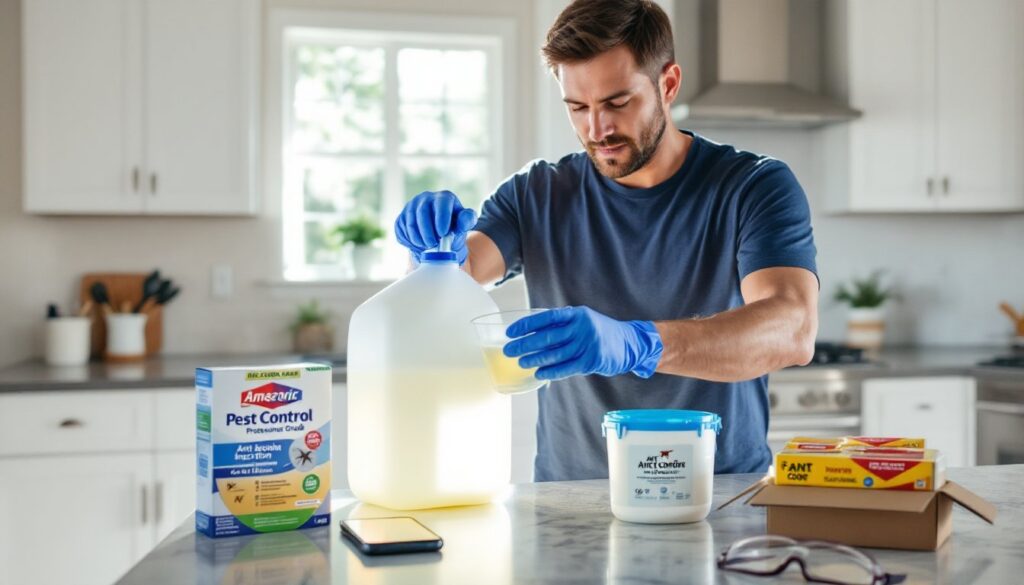
Don’t overlook safety gear as part of your budget. Nitrile gloves run about $10 for a box of 50, safety goggles cost $5 to $15, and a reusable half-mask respirator with cartridges is around $25 to $40. These aren’t optional, bifenthrin and other pyrethroids require skin and eye protection during mixing and application. Budget another $10 to $20 for a measuring cup and funnel dedicated to pesticide use: never use kitchen tools for chemicals.
Conclusion
DIY pest control delivers serious savings when you combine the right products with smart shopping strategies. Discount codes, seasonal sales, and bulk buying can cut costs by 30% or more, putting professional-grade treatments within reach of any homeowner willing to read labels and follow instructions. Just remember: safety gear isn’t negotiable, and some pests still require a licensed pro. For everything else, a little research and a pump sprayer go a long way.