Table of Contents
TogglePests don’t care about timing. They show up uninvited, whether it’s ants in the pantry after a spring rain, a wasp nest over the garage door, or mice in the basement when temperatures drop. Not every infestation demands a monthly contract. Sometimes, a homeowner needs a targeted strike to knock out a specific problem and move on. That’s where one time pest control comes in, a single-visit service designed to eliminate an active pest issue without locking anyone into recurring treatments. This guide walks through what these services cover, how they work, what they cost, and when it makes sense to call in a pro versus handling it solo.
Key Takeaways
- One time pest control is ideal for localized, acute infestations like wasp nests or ant trails, offering a single-visit solution without long-term contracts.
- Typical one-time pest control costs range from $110 to $600 depending on pest type, property size, and severity, making it more affordable per visit than ongoing contracts when you only need immediate help.
- Effective one-time treatments include targeted methods like non-repellent sprays, gel baits, dusts, and exclusion work such as sealing entry points with caulk or copper mesh.
- Professional pest control becomes necessary for health risks, structural threats like carpenter ants or termites, hard-to-reach locations, or when DIY treatments fail after two weeks.
- Choose a licensed, insured provider with transparent pricing, pest-specific experience, and a 30-day warranty to ensure effective one-time pest control without hidden fees or pushy sales tactics.
What Is One Time Pest Control and When Do You Need It?
One time pest control is a single-visit service where a licensed technician inspects, treats, and eliminates a specific pest problem. Unlike ongoing maintenance contracts, it’s a one-and-done approach. The tech identifies the pest, applies targeted treatments, whether baits, sprays, traps, or dusts, and provides recommendations to prevent recurrence.
This service makes the most sense in a few situations. First, when there’s a localized, acute infestation: a wasp nest in the eaves, carpenter ants trailing from a stump, or a rodent that found its way into the attic. Second, when selling or buying a home and a pest inspection reveals a problem that needs immediate resolution. Third, after a DIY effort fails, sometimes the hardware store spray just doesn’t cut it, and calling in someone with commercial-grade products and experience is the smarter play.
One time treatments aren’t ideal for chronic or widespread issues. If a house has recurring termites, bed bugs in multiple rooms, or a German cockroach colony that’s established itself in the kitchen, a one-off visit won’t solve it. Those scenarios typically require follow-up applications and monitoring. Homeowners dealing with certified pest professionals often see better outcomes for complex infestations that demand sustained effort.
How One Time Pest Control Services Work
The process starts with a phone call or online booking. Most companies ask about the pest type, location, and severity. This helps them send the right technician with appropriate equipment and chemicals.
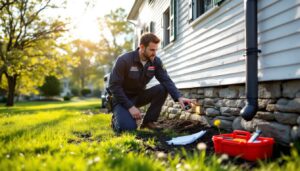
On arrival, the tech conducts a thorough inspection. They check entry points, nesting areas, moisture sources, and food access. For ants, that might mean tracing trails to exterior cracks. For rodents, it’s looking for droppings, gnaw marks, and access holes near utility penetrations. For wasps or hornets, it’s identifying nest locations and species, yellowjackets nest in wall voids and require different treatment than paper wasps under a soffit.
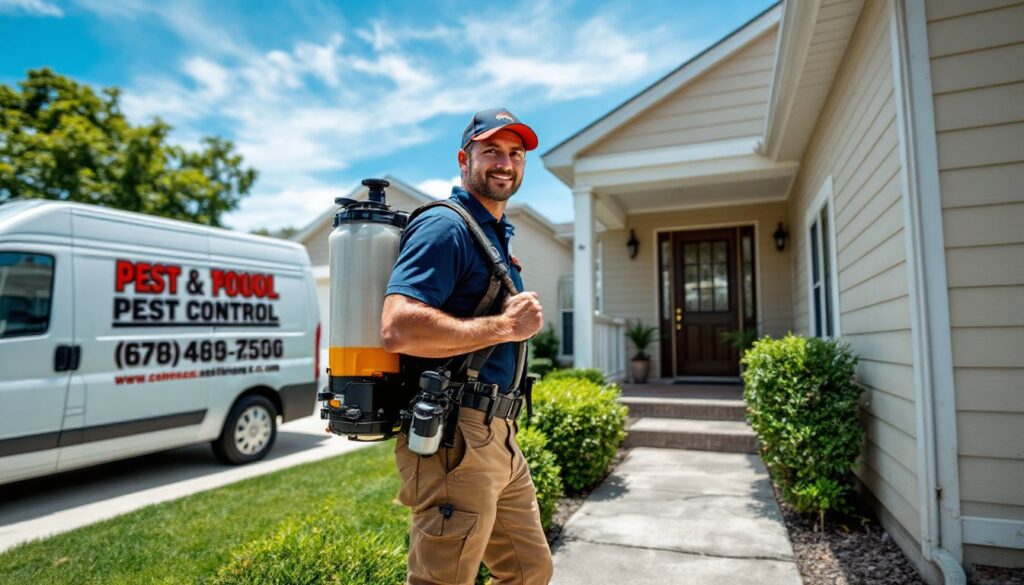
Treatment methods vary by pest. Liquid insecticides (pyrethroids or non-repellent products like fipronil) are common for perimeter defense and crack-and-crevice work. Baits work well for ants, roaches, and rodents, placed in tamper-resistant stations for safety. Dusts (like diatomaceous earth or boric acid) get applied in wall voids, attics, and crawl spaces. Exclusion work, sealing gaps with copper mesh, caulk, or foam, often accompanies chemical treatment, especially for rodents.
The visit typically takes 30 minutes to two hours, depending on property size and infestation severity. The technician should provide a written summary: what was found, what was applied, safety precautions (like keeping pets off treated areas for a set period), and follow-up recommendations. Some companies include a short warranty, if the same pest returns within 30 days, they’ll re-treat at no charge.
Common Pests Handled by Single-Visit Treatments
Ants: Carpenter ants, odorous house ants, and pavement ants respond well to one time treatments when the colony is accessible. Techs apply non-repellent sprays and gel baits near trails and entry points. But, pharaoh ants and Argentine ants often need multiple visits due to their multi-queen colonies.
Wasps and Hornets: Single-visit removal works great for accessible nests. Techs use aerosol knockdown sprays or dusts applied directly into the nest entrance at dusk when activity is low. Always wear long sleeves, goggles, and gloves if attempting DIY wasp removal, but if the nest is high, inside a wall, or particularly large, call a pro.
Spiders: Most spider treatments are one-offs. Technicians apply residual sprays to eaves, window frames, and foundation perimeters. They also remove webs and egg sacs. Black widows and brown recluses get extra attention in garages, sheds, and crawl spaces.
Rodents (Mice and Rats): One time service includes setting snap traps or bait stations and sealing entry points (gaps around pipes, vents, or foundation cracks). Success depends on how many rodents are present. A single mouse caught in the garage? One visit may do it. Multiple animals or signs of nesting in walls? Expect follow-ups. Many pest control companies, including those offering regional services, recommend monitoring traps for at least a week after initial placement.
Occasional Invaders: Crickets, silverfish, earwigs, and boxelder bugs that wander indoors seasonally respond well to perimeter treatments and crack-and-crevice sprays.
What Doesn’t Work in One Visit: Bed bugs, termites, and German cockroaches almost always require multiple treatments. Bed bugs need heat treatment or multiple chemical applications spaced weeks apart. Termites demand specialized liquid treatments or bait systems and ongoing monitoring. German roaches breed fast and hide deep, one treatment won’t eliminate an established population.
Cost of One Time Pest Control in 2026
Pricing varies by region, pest type, property size, and treatment complexity. As of 2026, typical one-time pest control costs range from $110 to $600 for most residential services.
Here’s a breakdown by pest:
• Ants: $125–$250 for interior and exterior treatment, including baiting and perimeter spray.
• Wasps/Hornets: $150–$400. High or hard-to-reach nests cost more. Expect to pay extra if the nest is inside a wall cavity and requires drilling access holes.
• Spiders: $100–$200 for standard exterior and interior treatment.
• Rodents: $200–$500, depending on the number of traps, exclusion work (sealing entry points), and cleanup. Some companies charge per trap placement.
• Occasional Invaders: $100–$175 for perimeter spray and targeted interior treatment.
Factors that push costs higher include property size (larger homes take more time and material), severity (heavy infestations need more product), and access difficulty (crawl spaces, tall trees, or steep roofs). Emergency or same-day service typically adds 20–30% to the base rate.
Some companies bundle inspection fees ($50–$100) into the treatment cost: others charge separately. Always ask upfront. Also clarify whether follow-up visits are included or cost extra. Many services offer a 30-day guarantee, if the pest returns, they re-treat free. Read the fine print: some warranties void if the homeowner doesn’t follow exclusion or sanitation recommendations.
For comparison, ongoing pest control contracts (quarterly or monthly) range from $40 to $70 per visit, but require a commitment. One time service costs more per visit but offers flexibility, no contract, no recurring charges. For a homeowner who needs immediate help with a wasp nest or ant trail, that’s often the right move.
DIY vs. Professional One Time Pest Control
Deciding whether to tackle a pest problem solo or call a professional comes down to three factors: pest type, infestation size, and risk.
When DIY Works:
• Small, localized problems, a few ants in the kitchen, a single wasp nest on a porch railing, or spiders in the garage.
• Accessible pests that don’t require specialized equipment. Aerosol wasp sprays with 15–20 foot reach handle low nests safely. Ant baits like Terro liquid bait stations work well for odorous house ants if the colony is nearby.
• Pests that don’t pose health or structural risks. Silverfish, crickets, and most spiders fall into this category.
DIY pest control products available at home centers have improved. Non-repellent sprays (products containing fipronil or imidacloprid) outperform older pyrethroids for ants and roaches because pests don’t detect them and carry the chemical back to the colony. Boric acid dust in wall voids and attics works for long-term control of roaches and silverfish, but wear a dust mask during application: it’s an irritant.
When to Call a Pro:
• Health risks: Stinging insects in high-traffic areas, black widows in kids’ play zones, or rodents spreading droppings near living spaces. Professionals carry liability insurance and use EPA-registered products at proper concentrations.
• Structural threats: Carpenter ants, carpenter bees, or any suspected termite activity require professional diagnosis. Misidentifying carpenter ants as regular ants can lead to thousands in wood damage.
• Hard-to-reach locations: Nests inside walls, high nests under second-story eaves, or rodents in crawl spaces. Pros have ladders, protective suits, and tools like borescopes to inspect voids.
• Treatment failure: If DIY baits and sprays haven’t worked after two weeks, it’s time to bring in someone with commercial-grade materials and diagnostic skills. Homeowners researching pest control reviews often find that pro treatments deliver faster, more reliable results for stubborn infestations.
Safety Equipment for DIY: At minimum, wear nitrile gloves, safety goggles, and a respirator or N95 mask when applying sprays or dusts. Read product labels completely, they’re legal documents that specify application rates, re-entry times, and disposal. Never mix products unless the label explicitly allows it: chemical reactions can produce toxic fumes.
How to Choose the Right One Time Pest Control Service
Not all pest control companies offer true one-time service. Some push contracts or charge steep cancellation fees. Here’s how to find a reputable provider without getting locked in.
Licensing and Insurance: Every state requires pest control technicians to hold licenses. In most states, applicators need category-specific credentials (7A for general pests, 7F for fumigation, etc.). Ask for the company’s license number and verify it with your state’s pesticide regulatory agency. Also confirm they carry general liability insurance and workers’ compensation. If a tech falls off a ladder or damages property, insurance protects the homeowner.
Transparent Pricing: Request a written estimate before treatment. It should break down inspection fees, treatment costs, materials, and any add-ons like exclusion work. Be wary of verbal quotes or vague “depends on what we find” language. Reputable companies provide a price range or fixed cost after a brief phone consultation. Platforms like HomeAdvisor let homeowners compare local quotes side-by-side.
Pest-Specific Experience: A company that excels at termite work might not be the best at rodent exclusion. Ask how often they handle your specific pest and what methods they use. For example, wasp removal should include nest removal and applying residual dust, not just a quick spray that leaves the nest intact.
Treatment Methods and Products: Ask what active ingredients they’ll use and why. Bifenthrin and lambda-cyhalothrin are common pyrethroids for perimeter defense. Fipronil works well for ants and roaches. Bromadiolone or difethialone are standard rodenticides. If a company won’t disclose products or uses only generic terms like “safe, eco-friendly spray,” that’s a red flag.
Guarantees and Follow-Up: A solid one time service includes a 30-day warranty. If the same pest reappears, they’ll re-treat. Clarify what voids the warranty, most require homeowners to follow exclusion and sanitation advice. Also ask if follow-up inspections are included or cost extra.
Reviews and References: Check Google, Yelp, and the Better Business Bureau. Look for patterns: consistent complaints about pushy sales, hidden fees, or poor communication are deal-breakers. A few negative reviews are normal, but watch how the company responds. Professional outfits address complaints directly and offer solutions.
Local vs. National Chains: Both have pros and cons. National companies often have standardized training, buying power for equipment, and robust guarantees. Local independents may offer more flexible scheduling, personalized service, and familiarity with regional pests. Homeowners seeking local pest control options often find that smaller operators provide faster response times and competitive pricing.
Marketing and Communication: Companies serious about customer service maintain updated websites, clear contact methods, and prompt responses. Sites like Today’s Homeowner often feature guides on vetting contractors, apply the same scrutiny to pest control providers.
Conclusion
One time pest control fills a specific need: fast, effective relief from a localized problem without the commitment of a contract. It works best for accessible pests like wasps, ants, spiders, and occasional invaders, situations where a single treatment knocks out the issue and preventive steps keep it from coming back. For chronic or structural pests, ongoing service makes more sense. Choose a licensed, insured provider with transparent pricing and pest-specific experience, and don’t hesitate to ask questions about methods and guarantees. Whether handling it solo or calling in a pro, the goal is the same: get the pest out, seal the entry, and move on to the next project on the list.